
In a world obsessed with beauty, we often chase fleeting trends or superficial fixes without pausing to ask: What is beauty, really? Is it a random cultural construct, a biological imperative, or something deeper—something we can map, measure, and understand through a systematic lens? As a society, we spend billions on cosmetic procedures, skincare, and aesthetic enhancements, yet the principles that govern what we perceive as beautiful remain elusive to most. In this exploration, I want to take a step back and apply a systems thinking model to the concept of beauty, particularly in the context of medical aesthetics. By breaking down beauty into its constituent parts—biological, psychological, cultural, and structural—we can uncover the hidden geometry that shapes our perceptions and, ultimately, our decisions in the pursuit of aesthetic perfection.
The Systems Thinking Approach to Beauty
Systems thinking teaches us that complex phenomena are best understood not as isolated events but as interconnected networks of cause and effect. Beauty, at its core, is a system—a dynamic interplay of inputs (genetics, environment, culture) and outputs (perception, emotional response, social value). To decode this system, we must first identify its key components and feedback loops. Let’s start by mapping the four primary subsystems of beauty in the context of medical aesthetics: biological foundations, psychological drivers, cultural influences, and structural harmony.
Each of these subsystems interacts with the others, creating a web of reinforcement and adaptation. A change in one—like a cultural shift toward fuller lips—can ripple through the others, altering psychological desires and even prompting biological interventions (e.g., lip fillers). By understanding these interactions, we can move beyond chasing trends and toward a more intentional, principled approach to aesthetics.
Subsystem 1: Biological Foundations of Beauty

At the most fundamental level, beauty is rooted in biology. Evolutionary psychology suggests that what we find attractive often correlates with markers of health, fertility, and genetic fitness. Symmetry, for instance, is a well-documented indicator of beauty across cultures. A symmetrical face or body signals developmental stability, implying that an individual has withstood environmental stressors and genetic mutations. Studies, such as those by Perrett et al. (1999), have shown that people consistently rate symmetrical faces as more attractive, even when controlling for other variables.
In medical aesthetics, this biological imperative manifests in procedures aimed at enhancing or restoring symmetry. Rhinoplasty, for instance, often seeks to balance the nose with other facial features, while facial fillers can correct asymmetries caused by aging or injury. But biology isn’t just about symmetry—it’s also about proportions. The “golden ratio,” a mathematical principle where the ratio of two quantities is approximately 1.618, has been observed in nature and art for centuries. In facial aesthetics, this ratio often appears in the ideal proportions of features: the distance between the eyes, the width of the nose, and the height of the forehead.
Yet biology is not destiny. While we are wired to respond to certain traits, modern medical aesthetics allows us to override or enhance these natural signals. This is where the system starts to get interesting: biological imperatives feed into psychological responses, which in turn are shaped by cultural narratives. Let’s explore that next.
Subsystem 2: Psychological Drivers of Aesthetic Desire
Beauty is not just seen; it is felt. Our psychological response to aesthetics is a powerful driver of behavior, influencing everything from mate selection to self-esteem. At the heart of this subsystem is the concept of “aesthetic pleasure”—the dopamine-driven reward we experience when we encounter something beautiful. Neuroimaging studies, like those by Chatterjee (2011), reveal that viewing aesthetically pleasing faces activates the brain’s reward centers, much like food or money does.

In the context of medical aesthetics, this psychological driver explains why people are willing to endure pain, cost, and risk for procedures like Botox or facelifts. It’s not just about looking better; it’s about feeling better. The feedback loop here is critical: when we perceive ourselves as more attractive (often through external validation), our self-confidence rises, which in turn reinforces the desire to maintain or enhance that beauty. This loop can be positive, fostering empowerment, or negative, leading to obsession or body dysmorphia.
A systems thinker would note that this psychological subsystem is highly sensitive to external inputs. Social media, for instance, amplifies comparison and validation, creating a hyper-competitive environment where aesthetic standards are both elevated and homogenized. This brings us to the next piece of the puzzle: culture.
Subsystem 3: Cultural Influences on Aesthetic Standards
If biology provides the raw material for beauty and psychology the emotional fuel, culture is the lens through which we interpret and prioritize aesthetic traits. Cultural standards are not static; they evolve through historical context, economic conditions, and technological advancements. Consider the shifting ideals of body shape: in Renaissance Europe, fuller figures were celebrated as symbols of wealth and fertility, while today’s Western culture often glorifies a lean, toned physique associated with discipline and health.
In medical aesthetics, cultural influences are evident in the popularity of specific procedures across regions. For example, double-eyelid surgery is one of the most sought-after procedures in East Asia, driven by cultural associations of larger eyes with beauty and expressiveness. Meanwhile, in Brazil, buttock augmentation reflects a cultural emphasis on curvaceous bodies. These preferences are not arbitrary; they are the output of a cultural feedback loop where media, art, and social norms continuously reinforce certain ideals.

But culture doesn’t operate in isolation. It interacts with biology (by valorizing certain genetic traits) and psychology (by shaping self-perception). A systems perspective reveals that cultural standards can also conflict with biological or psychological needs, creating tension. For instance, the cultural push for extreme thinness in some societies can clash with biological markers of health, leading to unhealthy behaviors. Medical aesthetics often steps in as a mediator, offering solutions (like liposuction or fillers) to align individuals with cultural ideals—but at what cost?
Subsystem 4: Structural Harmony in Aesthetics
Finally, let’s consider the structural subsystem—the principles of design and balance that underlie beauty. This is where the “geometry” of beauty becomes literal. In both art and nature, beauty often emerges from harmony: the balance of proportions, the interplay of light and shadow, the rhythm of curves and lines. In medical aesthetics, practitioners are essentially architects of the human form, using tools like injectables, lasers, and surgery to sculpt features into a more harmonious whole.
Take the concept of facial thirds, a structural guideline used by aestheticians. The face is ideally divided into three equal vertical sections: from the hairline to the eyebrows, from the eyebrows to the base of the nose, and from the nose to the chin. Deviations from this balance—such as a receding chin or an overly prominent forehead—can disrupt perceived beauty. Procedures like chin augmentation or forehead contouring aim to restore this structural harmony.
But structural harmony isn’t just about static proportions; it’s also about movement and expression. A face that is perfectly symmetrical but lacks dynamic range (due to overdone fillers or Botox, for instance) can appear unnatural or “frozen.” This highlights a critical feedback loop in the system: structural interventions must account for biological function and psychological authenticity. Over-optimization in one area can destabilize the whole.

The Feedback Loops: How Beauty Evolves
Now that we’ve dissected the subsystems of beauty, let’s zoom out and examine how they interact through feedback loops. Systems thinking emphasizes that no component exists in isolation; changes in one part of the system reverberate through the others. Consider the rise of Instagram face—a homogenized aesthetic characterized by high cheekbones, full lips, and a sharp jawline. This trend originated in cultural shifts (social media’s emphasis on visual perfection), amplified psychological drivers (the need for validation through likes), and was enabled by structural interventions (fillers and contouring). The result is a reinforcing loop: as more people adopt this look, it becomes the new biological “norm,” further pressuring others to conform.
But systems also have balancing loops—mechanisms that resist change and restore equilibrium. For instance, as extreme aesthetic trends push toward artificiality, there’s often a cultural backlash toward “natural beauty,” prompting innovations in subtler procedures like skin rejuvenation or micro-dosing Botox. A systems thinker in medical aesthetics must anticipate these loops, balancing innovation with sustainability to avoid overcorrecting or alienating clients.
Toward a Principled Aesthetic Practice
So, what does all this mean for the future of medical aesthetics? If beauty is a system, then practitioners and clients alike must approach it with intentionality rather than reactivity. Here are three principles derived from systems thinking that can guide us:
- Holistic Assessment: Rather than focusing on isolated features, aesthetic interventions should consider the entire system—how a change in one area (like lip volume) affects facial harmony, psychological well-being, and cultural fit. This requires a deep understanding of all subsystems and their interactions.
-
Feedback Sensitivity: Practitioners must be attuned to feedback loops, both reinforcing (like the pressure to conform to trends) and balancing (like the push for authenticity). This means staying ahead of cultural shifts and educating clients about the long-term implications of procedures.
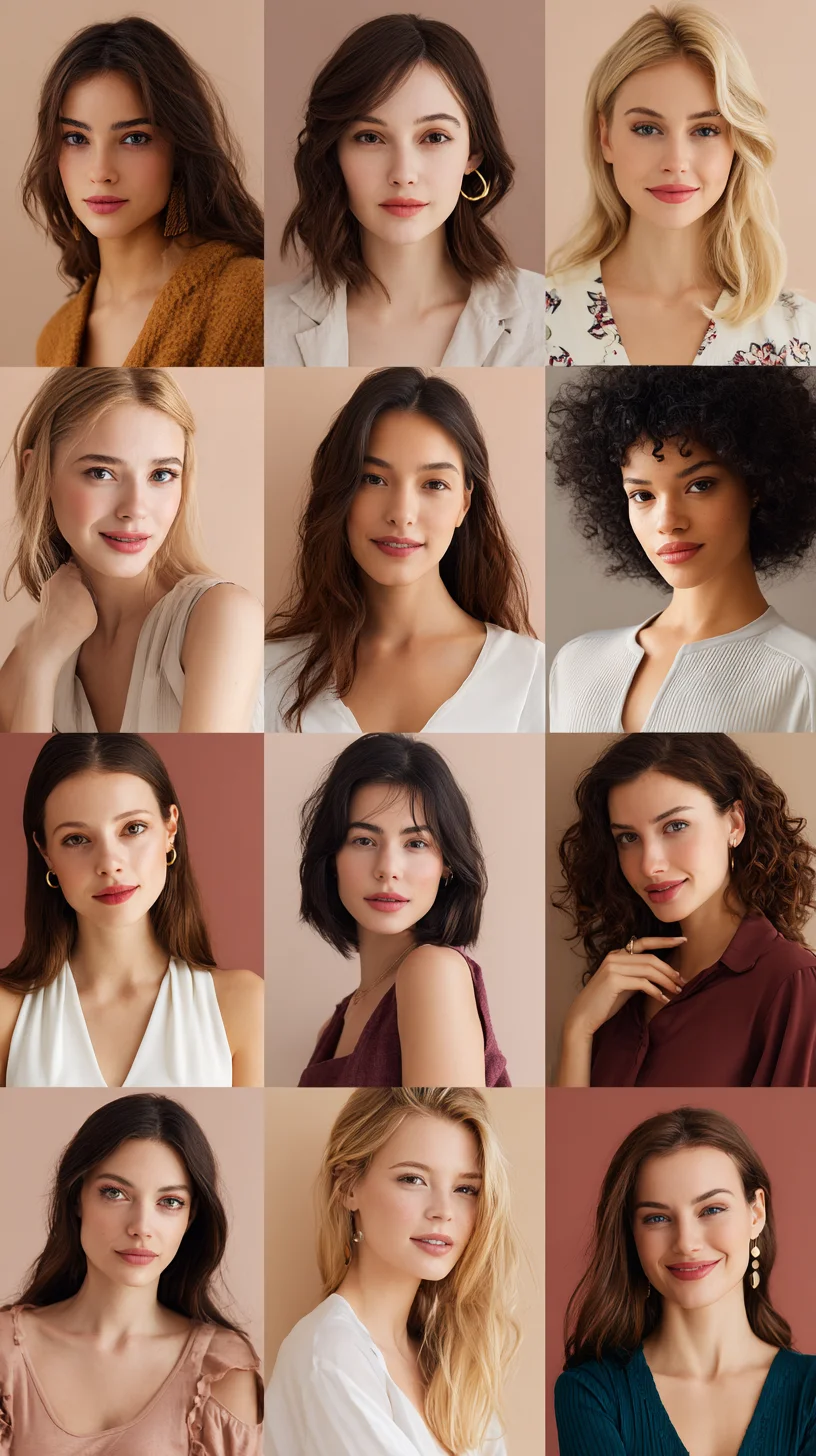
- Ethical Boundaries: Systems thinking reveals the potential for exploitation within the beauty system—psychological vulnerabilities can be preyed upon, and cultural pressures can override biological health. Ethical practice demands transparency about risks, realistic expectations, and a commitment to enhancing well-being over mere profit.
Conclusion: Redefining Beauty Through Systems
Beauty is not a monolith; it is a complex, adaptive system shaped by biology, psychology, culture, and structure. By applying systems thinking, we can move beyond superficial fixes and toward a deeper understanding of aesthetics—one that respects the interconnectedness of its parts and the feedback loops that drive change. For those in medical aesthetics, this approach offers a roadmap for creating beauty that is not just skin-deep but resonant, sustainable, and true to the individual.
In the end, the pursuit of beauty is a deeply human endeavor, reflecting our desire for connection, validation, and meaning. By decoding its hidden geometry, we can transform this pursuit from a reactive chase into a deliberate craft—one that honors the complexity of who we are and how we see ourselves in the world.


免责声明:本文为消费决策参考与行业观察,不构成医疗建议、诊断或治疗方案。医美及健康管理相关决策存在个体差异与风险,请选择正规医疗机构,由执业医师面诊评估后决定。