
In a world obsessed with the superficial—where beauty is often reduced to a fleeting Instagram filter or a quick swipe of a credit card for the latest filler—there lies a deeper, almost spiritual undercurrent to the art of medical aesthetics. As a woman navigating this industry, both as a practitioner and a seeker of truth, I’ve come to see the parallels between the ancient teachings of Zen and the modern pursuit of beauty. This isn’t just about smoothing wrinkles or sculpting cheekbones; it’s about stillness, presence, and the quiet mastery of self. Through the lens of Zen, medical aesthetics transforms from a mere transaction into a meditative practice—one that demands patience, intention, and an unflinching gaze at the impermanence of the human form.
The Mirror as a Koan: Reflecting on Impermanence
In Zen Buddhism, a koan is a paradoxical question or story meant to provoke deep introspection, often leading to a sudden awakening. For many women, the mirror serves as our koan. We stand before it, scrutinizing every line, every shadow, every perceived flaw, asking ourselves: Who am I beneath this surface? The reflection offers no easy answers, much like the riddles posed by Zen masters. It confronts us with the reality of impermanence—our skin sags, our features shift, and time etches its story across our faces.
In the medspa, this confrontation becomes a shared ritual. As an aesthetician, I’ve watched countless women sit before me, their faces a canvas of both vulnerability and hope. They come seeking transformation, but what they often don’t realize is that the process mirrors a Zen practice of acceptance. Botox may freeze a wrinkle, and hyaluronic acid may plump a hollow, but these interventions are temporary. Just as a Zen monk sweeps the temple floor knowing the dust will return, we in the medspa apply our tools knowing that aging is inevitable. The true art lies not in defying time, but in harmonizing with it—using science to enhance, not erase, the natural progression of life.

This perspective challenges the patriarchal narrative that often dominates beauty culture: the idea that women must remain eternally youthful to hold value. Through a feminist lens, I see medical aesthetics as an act of reclamation. When a woman chooses to invest in her appearance—whether through a non-invasive treatment or a surgical procedure—she isn’t just conforming to societal pressure; she’s asserting agency over her body and her story. Like a Zen practitioner sitting in meditation, she is choosing to be present with herself, to confront her reflection without judgment, and to decide how she wishes to be seen.
The Needle as a Brush: Mindfulness in Every Injection
Zen teaches that every action, no matter how mundane, can be an act of mindfulness. The way a monk pours tea or arranges a garden is imbued with intention, each movement deliberate and fully present. In the medspa, the needle becomes my brush, and the face before me a canvas for mindful creation. Every injection of Botox, every placement of filler, requires a deep attunement to the client’s unique anatomy and emotional state. It’s not just about symmetry or proportion; it’s about listening—to the skin, to the subtle cues of expression, to the unspoken desires beneath the surface.
I recall a client, a woman in her late fifties, who came to me with a heaviness in her eyes—not just from the sagging skin, but from the weight of years spent caring for others while neglecting herself. As I prepared to administer a series of injections to lift her brow, I felt the gravity of the moment. This wasn’t just a cosmetic procedure; it was a restoration of her spirit, a chance for her to see herself anew. With each precise movement, I focused not on perfection, but on balance—honoring the lines that told her story while easing the ones that no longer served her. In that stillness, needle in hand, I found a Zen-like state of flow, where time dissolved, and all that existed was the connection between us.
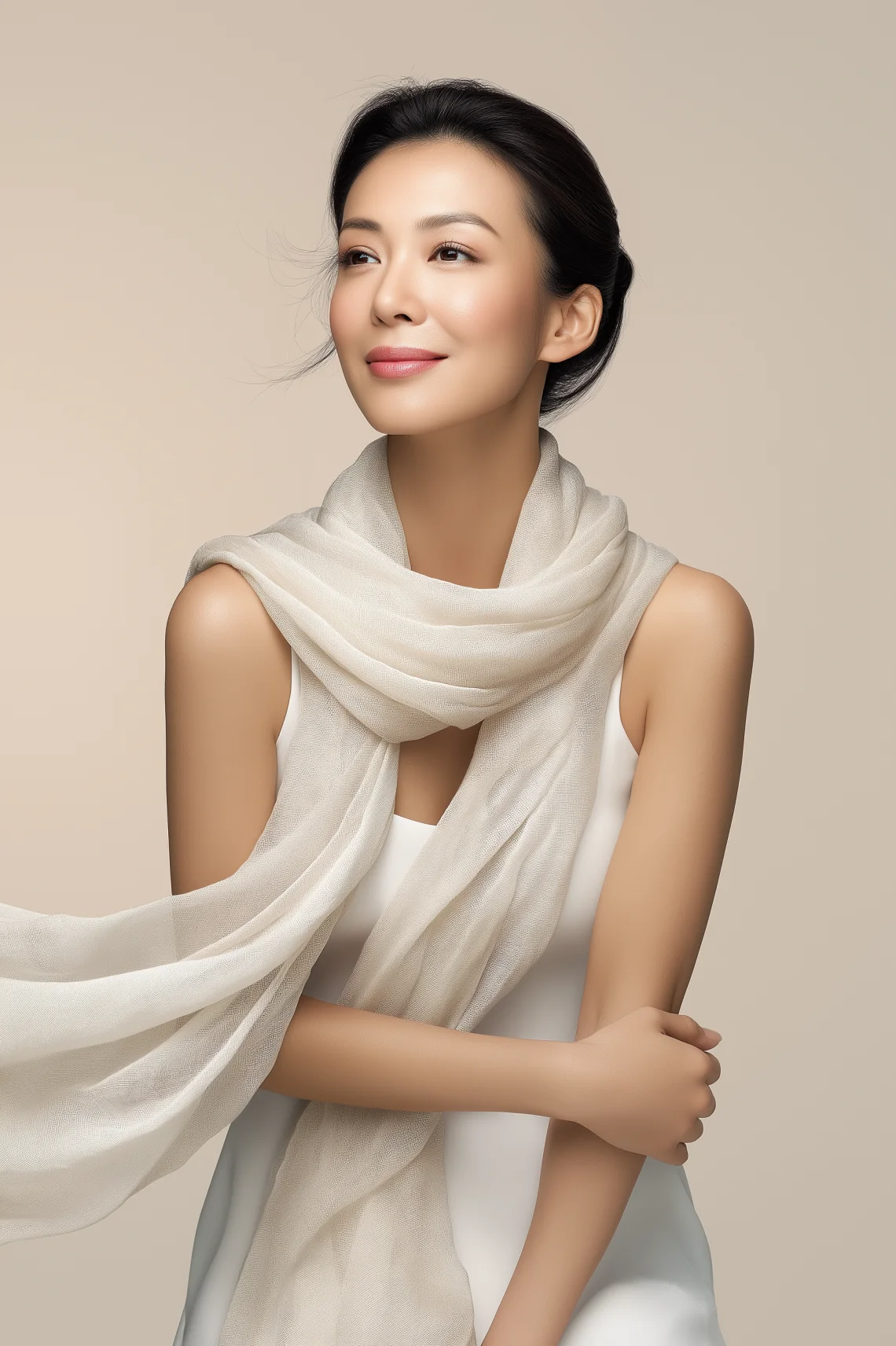
This mindful approach stands in stark contrast to the assembly-line mentality that pervades much of the beauty industry. Too often, women are rushed through treatments, their faces treated as mere templates for a one-size-fits-all ideal. As a feminist, I reject this commodification. True beauty work is slow, intentional, and deeply personal. It requires us to sit with discomfort—both the client’s and our own—and to approach each procedure as a meditation on what it means to be human, to age, to change.
The Paradox of Beauty: Attachment and Letting Go
Zen is replete with paradoxes, and so is the world of medical aesthetics. We strive to create beauty, yet we must release attachment to the outcome. A client may envision a specific look, but the body has its own wisdom—skin reacts unpredictably, swelling subsides at its own pace, and results evolve over days or weeks. As practitioners, we must guide without grasping, offering expertise while surrendering to the natural limits of science and biology.
For women, this paradox mirrors the broader struggle of navigating societal expectations. We are told to care about our appearance, to invest in it, to perfect it—yet we are also criticized for vanity or for “trying too hard.” The medspa becomes a space to wrestle with these contradictions. When a woman chooses a treatment, she is often grappling with attachment—to youth, to an idealized self-image, to external validation. My role is not to reinforce these attachments, but to help her let go, to find peace in the imperfection of the result, just as a Zen student learns to sit with the discomfort of an unquiet mind.
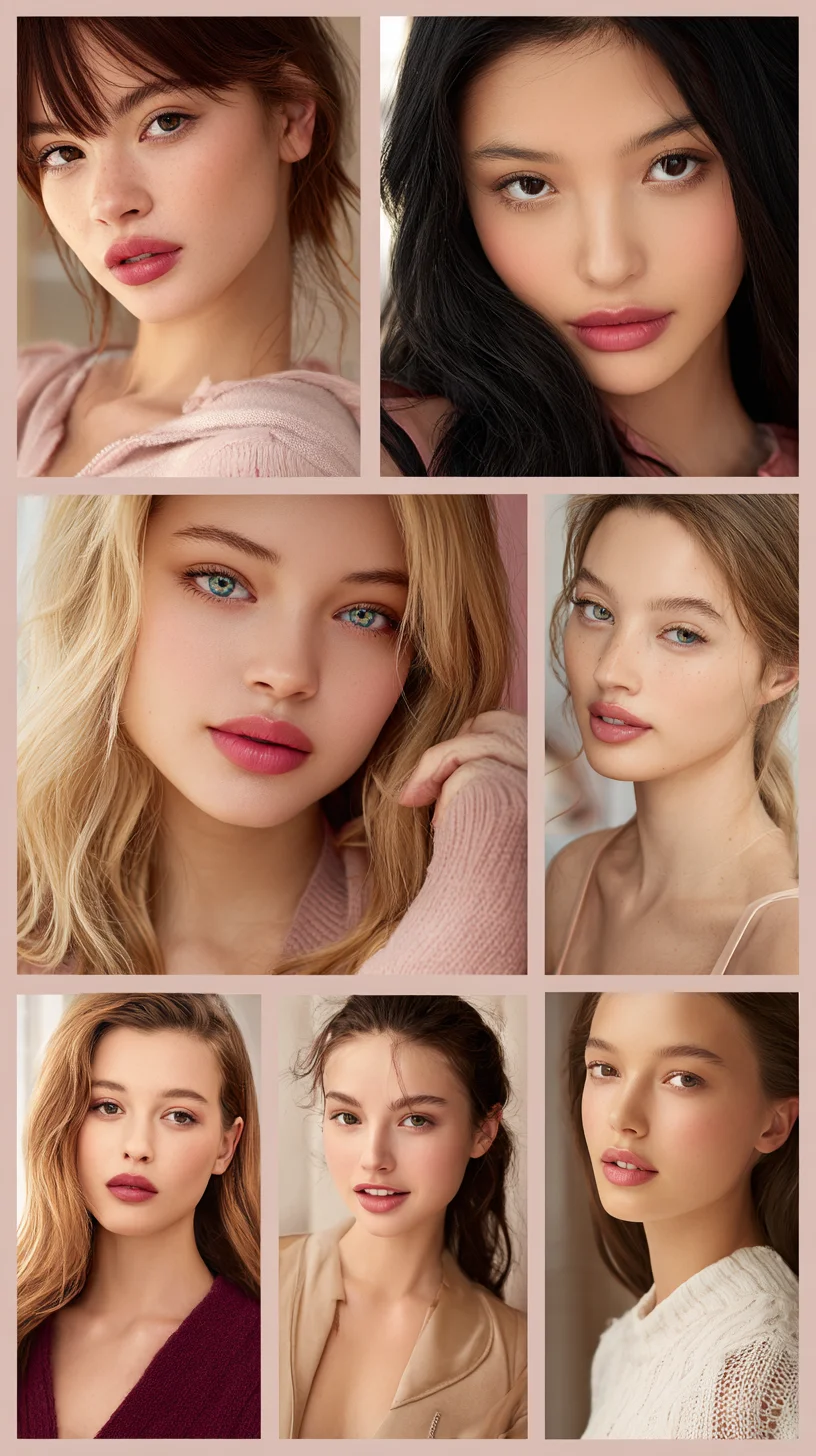
I’ve seen this transformation in a client who returned for a follow-up after a lip filler treatment. Initially, she was fixated on achieving a precise shape she’d seen on a celebrity. But as we worked together over multiple sessions, she began to release that rigid vision. Instead, she started to appreciate the subtle enhancement of her natural features, finding joy in the way her smile felt more hers than ever. This shift—from clinging to an external ideal to embracing her unique beauty—was a quiet awakening, a moment of Zen in a sterile treatment room.
Reclaiming Beauty as a Feminist Act
At its core, Zen is about liberation—freedom from illusion, from ego, from the stories we tell ourselves. For women in the realm of medical aesthetics, this liberation is profoundly feminist. The beauty industry has long been a battleground, a space where patriarchal standards dictate worth based on appearance. But when we approach aesthetics through the lens of Zen, we reclaim it as a site of empowerment. Choosing to enhance one’s appearance becomes not an act of submission, but an act of self-definition.
Consider the cultural narratives around aging. Women are often shamed for visible signs of time—crow’s feet, laugh lines, gray hair—while men are celebrated for their “distinguished” wrinkles. In the medspa, I see women pushing back against this double standard every day. A client in her sixties once told me, “I’m not trying to look twenty again. I just want to look like I feel—vibrant, alive, unapologetic.” Her decision to undergo a series of skin-tightening treatments wasn’t about erasing her age; it was about aligning her outer self with her inner vitality. In that choice, I saw the Zen principle of non-duality: there is no separation between body and spirit, between how we look and who we are.
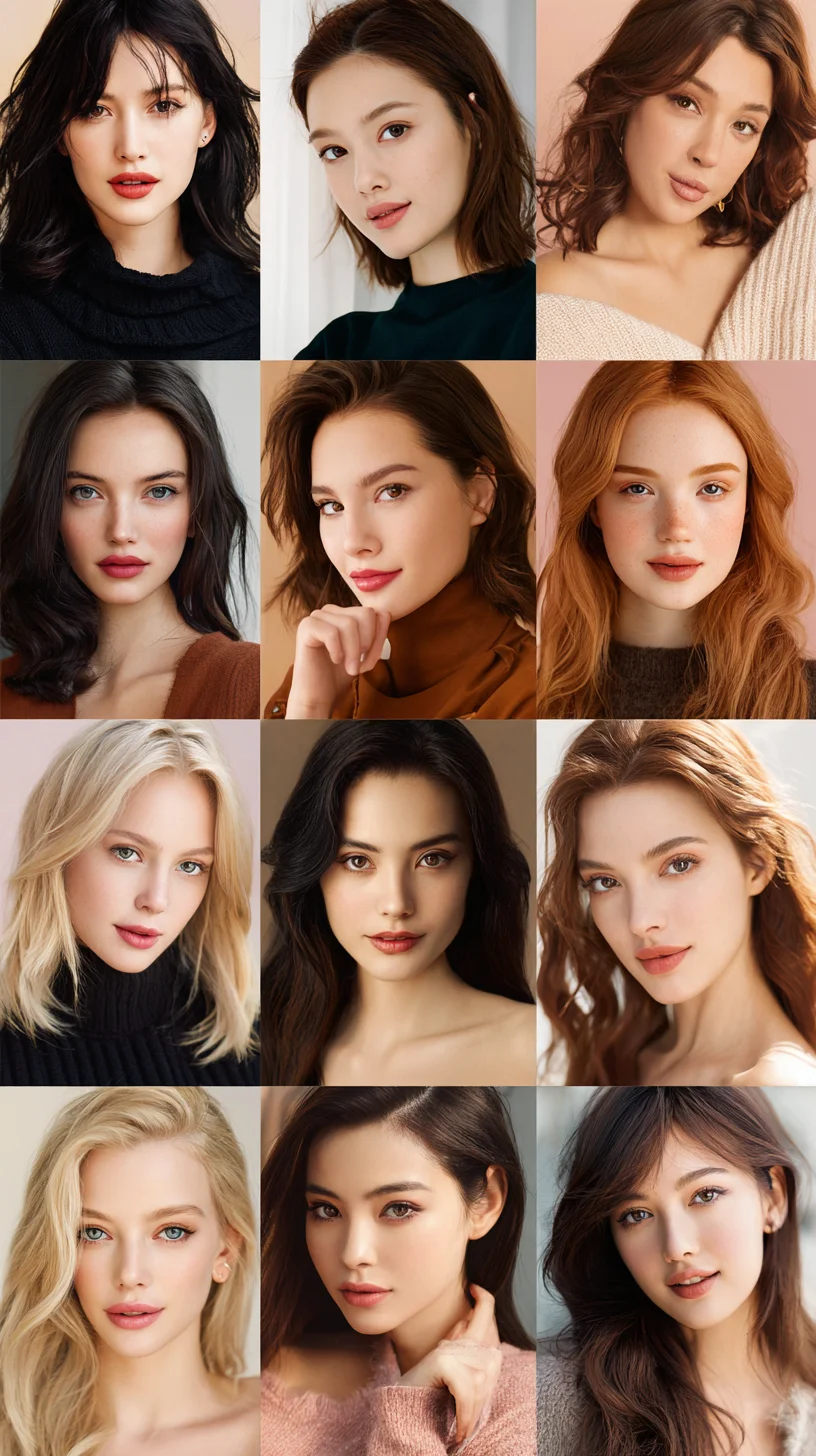
As practitioners, we have a responsibility to honor this feminist reclamation. We must resist the urge to impose ideals of beauty that don’t resonate with the individual before us. Instead, we must create a space of non-judgment, where women can explore their desires—whether for a dramatic transformation or a subtle tweak—without shame. This, too, is a Zen practice: holding space for others to sit with their truth, free from the noise of external expectation.
The Path Forward: Beauty as a Meditation
In the fast-paced, results-driven world of medical aesthetics, it’s easy to lose sight of the deeper currents beneath the surface. But when we approach this work with the mindfulness of a Zen master, we uncover a profound truth: beauty is not a destination, but a journey of presence. Each treatment, each consultation, each moment of connection with a client is an opportunity to practice stillness, to listen deeply, to let go of attachment to perfection.
For women, this journey is both personal and political. It’s about reclaiming our faces, our bodies, and our stories from a culture that seeks to define them for us. It’s about sitting with the discomfort of aging, of imperfection, of societal pressure, and finding peace in the midst of it all. And for those of us in the medspa, it’s about guiding with compassion, wielding our tools with intention, and recognizing the sacredness of the trust placed in our hands.
As I reflect on my own path in this industry, I think of the Zen teaching that the present moment is all we have. In the quiet of the treatment room, with the hum of the machine and the steady breath of the woman before me, I am reminded that this—this fleeting, imperfect, beautiful moment—is enough. Through the lens of Zen, medical aesthetics becomes not just a science or an art, but a meditation on what it means to be human, to be a woman, to be alive. And in that stillness, we find not just beauty, but wisdom.

相关文章



免责声明:本文为消费决策参考与行业观察,不构成医疗建议、诊断或治疗方案。医美及健康管理相关决策存在个体差异与风险,请选择正规医疗机构,由执业医师面诊评估后决定。