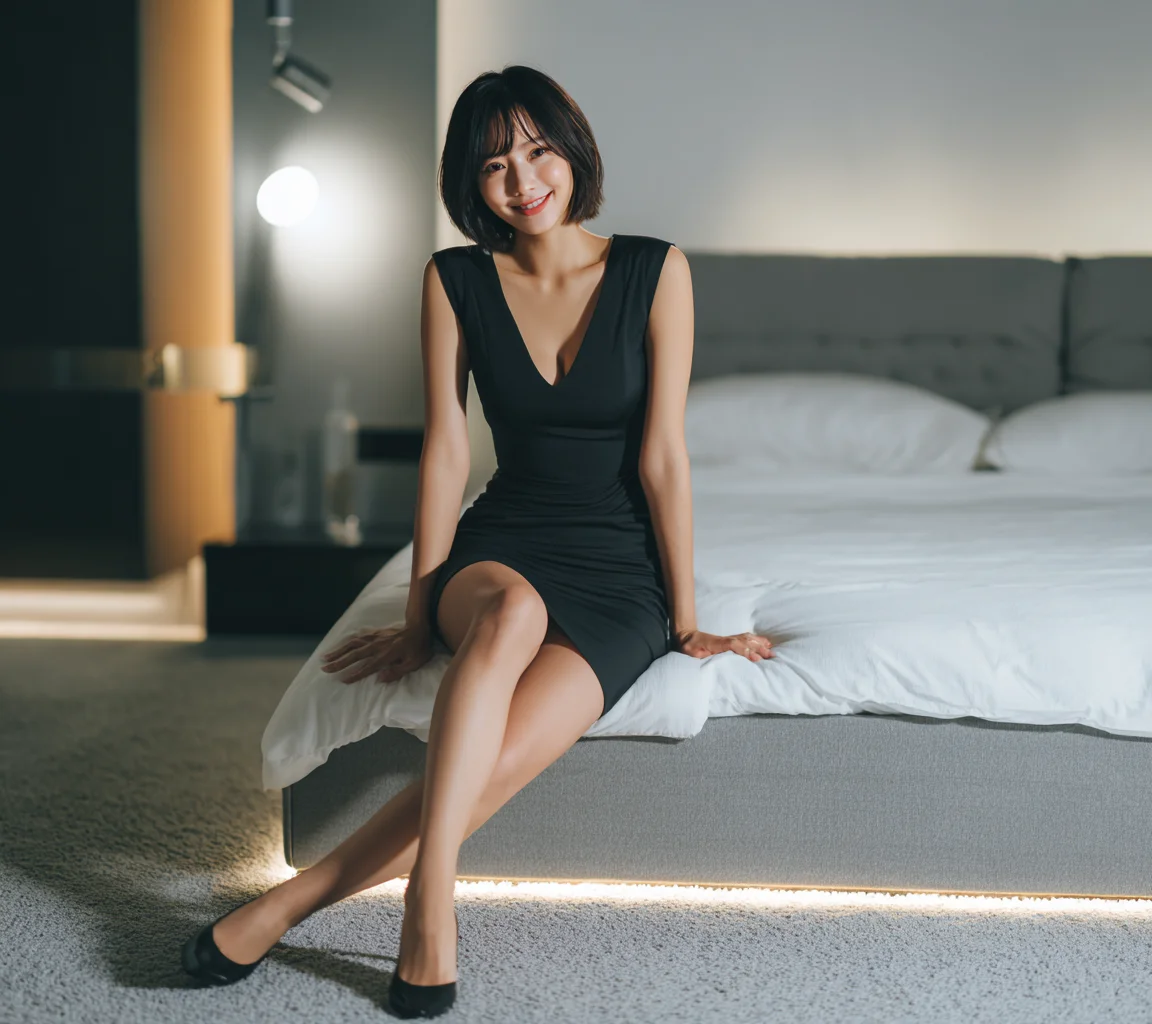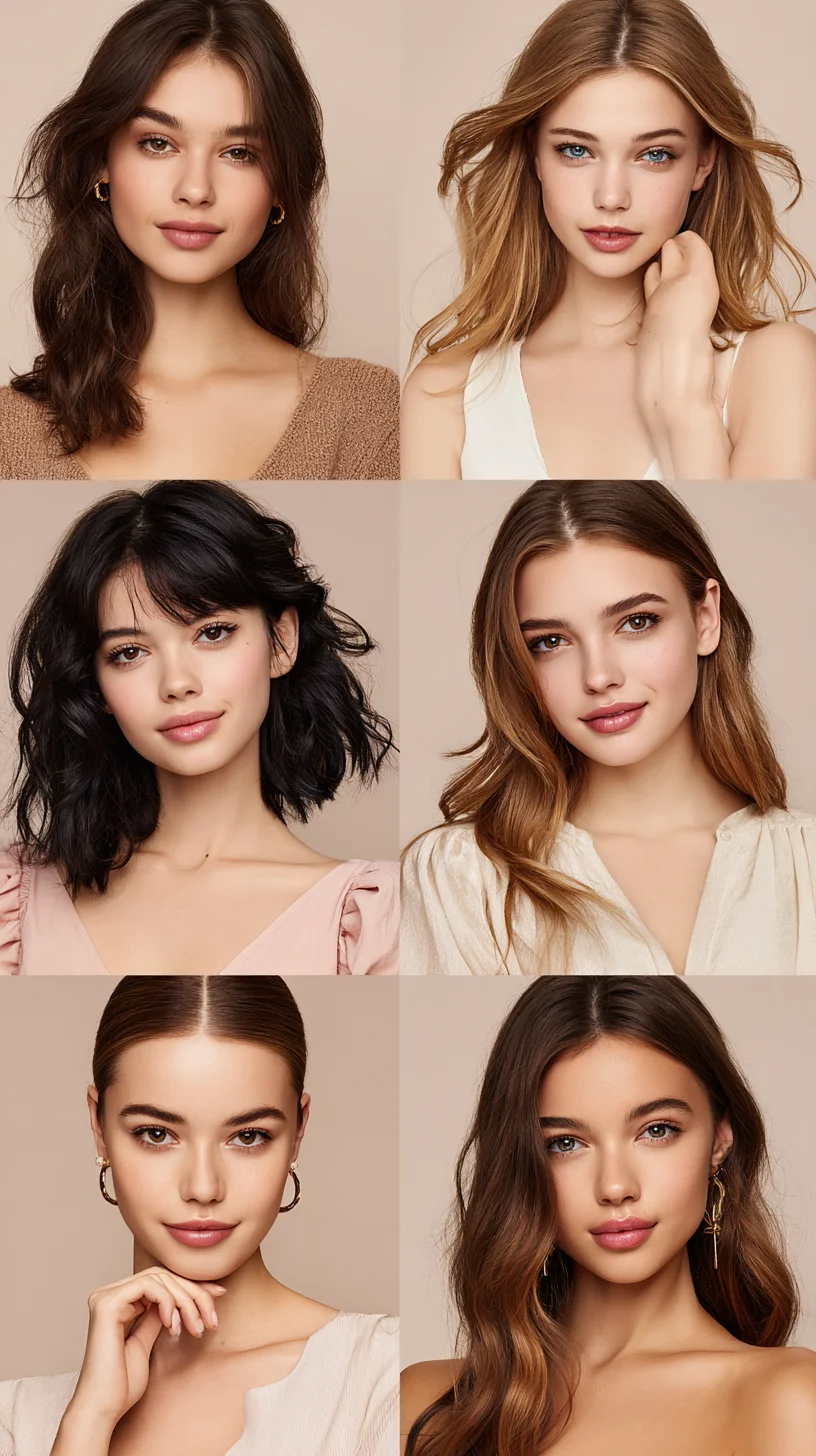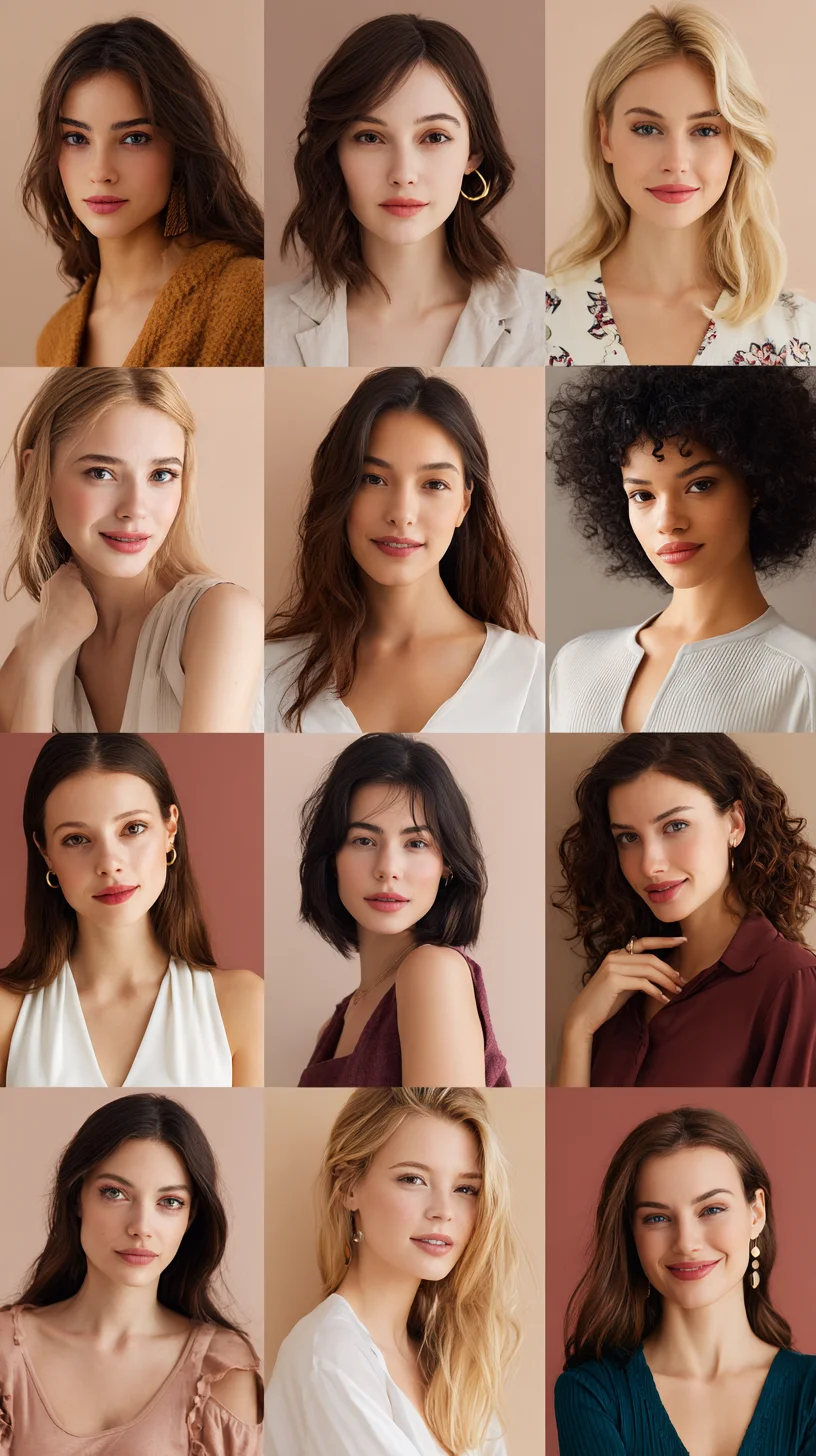
In a world obsessed with perfection, we’ve built an industry—medical aesthetics—that promises to sculpt, refine, and erase every imperfection. Billions of dollars are spent each year on procedures to smooth wrinkles, plump lips, and tighten skin. But beneath the glossy before-and-after photos lies a deeper conflict: Is the pursuit of perfection enhancing our humanity, or is it stripping us of what makes us truly beautiful? This is not just a question of vanity; it’s a philosophical battle between authenticity and artifice, between embracing our flaws and engineering an idealized self.
Act 1: The Siren Call of Perfection
Picture this: a woman in her late thirties sits in front of a mirror, tracing the faint lines around her eyes. They are not just wrinkles; they are battle scars from late nights working, from laughter with friends, from tears over heartbreak. Yet, the world tells her they are flaws to be erased. Social media floods her feed with influencers whose skin glows like porcelain, whose features seem carved by an algorithm rather than nature. The medical aesthetics industry beckons with a promise: “We can make you perfect.” Botox, fillers, lasers—tools of transformation that can rewind time, or at least create the illusion of it.
This is the inciting incident of our modern beauty narrative. The conflict begins with a seductive idea: perfection is attainable, and it’s just one injection away. The industry thrives on this premise, marketing itself as a gateway to confidence and self-worth. In 2022, the global medical aesthetics market was valued at over 13 billion, with projections to reach25 billion by 2028. These numbers aren’t just statistics; they are a testament to how deeply we’ve internalized the belief that our value is tied to our appearance. But at what cost?
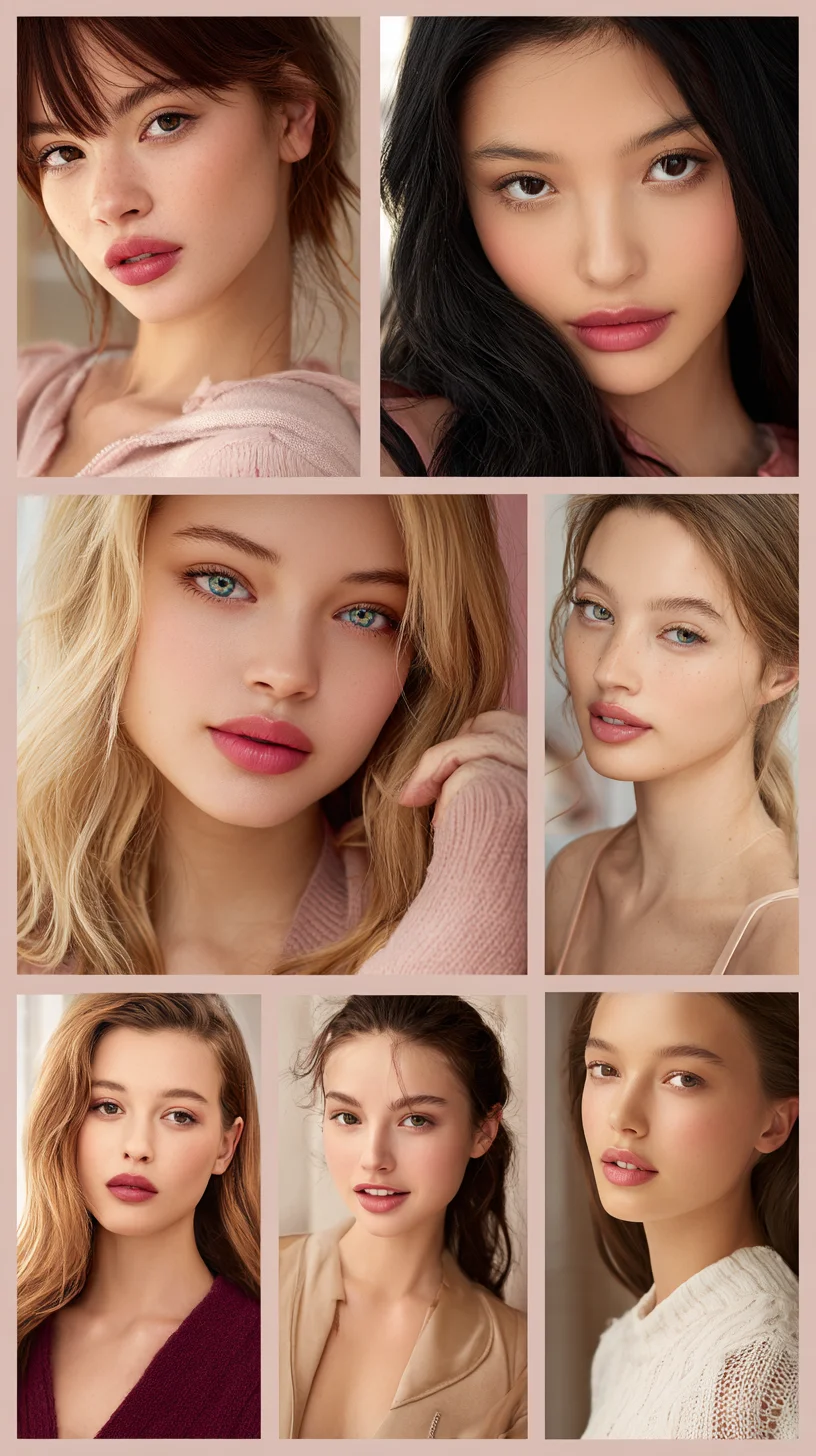
The drama unfolds as we chase this ideal. We are drawn in by the allure of symmetry and youth, but we rarely pause to ask: Who defines perfection? Is it the surgeon wielding the syringe, the algorithm curating our feeds, or the cultural norms we’ve inherited without question? The tension builds as we realize that this pursuit is not just about looking better—it’s about fitting into a mold that may not even exist.
Act 2: The Clash of Ideals—Authenticity vs. Artifice
Here lies the heart of the conflict: the war between authenticity and artifice. On one side, there’s the raw, unfiltered beauty of being human. Our imperfections tell stories—crow’s feet from squinting in the sun, a crooked smile from a childhood accident, a scar that marks survival. These are the signatures of our lived experience, the proof that we’ve loved, lost, and endured. Philosophers like Nietzsche might argue that true beauty lies in this imperfection, in the “will to power” that emerges from embracing our unique struggles rather than erasing them.
On the other side stands artifice—the crafted, curated self that medical aesthetics can create. There’s undeniable power in transformation. A rhinoplasty can align a face with classical proportions, boosting confidence in a world that often judges us by first impressions. A study from the American Society of Plastic Surgeons found that 87% of patients reported improved self-esteem after cosmetic procedures. This isn’t trivial; for some, altering their appearance is a form of reclaiming agency, of rewriting a narrative that felt imposed upon them.
But here’s the rub: when does enhancement become erasure? When we smooth every line, lift every sag, and contour every angle, are we still ourselves, or are we a product designed for external validation? The philosopher Jean Baudrillard warned of the “simulacrum”—a copy without an original. In the context of medical aesthetics, are we creating faces and bodies that are mere simulations of beauty, detached from the messy, imperfect reality of being human? The tension escalates as we grapple with this question: Is the “perfect” self we’re crafting truly ours, or is it a construct shaped by societal pressures?

This conflict isn’t just personal; it’s cultural. The rise of “Instagram face”—a homogenized look characterized by high cheekbones, full lips, and a tiny nose—shows how beauty standards are narrowing, not expanding. A 2021 study in the Journal of Cosmetic Dermatology noted a surge in patients requesting procedures to mimic filtered selfies. We’re not just chasing perfection; we’re chasing a digital illusion, a version of beauty that doesn’t exist in the physical world. The stakes are high: in this clash between authenticity and artifice, we risk losing the very individuality that makes us compelling.
Act 3: The Price We Pay for Perfection
As the drama reaches its climax, we confront the consequences of this pursuit. The cost of perfection isn’t just financial—though the average price of Botox (300-500 per session) or a facelift (7,000-15,000) can drain wallets. The deeper cost is emotional and existential. When we tie our worth to an unattainable ideal, we set ourselves up for perpetual dissatisfaction. No matter how many procedures we undergo, aging is inevitable. The mirror will always reflect time’s passage, and the quest for flawlessness becomes a Sisyphean task—endless, futile, and exhausting.
Moreover, the industry itself can exacerbate this cycle. Marketing often preys on insecurity, framing natural aging as a problem to be solved rather than a process to be embraced. Terms like “anti-aging” imply that growing older is something to fight against, not celebrate. This rhetoric creates a feedback loop: the more we buy into the idea that we’re flawed, the more we seek solutions, and the more the industry profits. It’s a conflict of interest baked into the system—our self-doubt is their revenue stream.
There’s also a social cost. When perfection becomes the norm, it marginalizes those who can’t or won’t conform. The pressure to “keep up” can alienate people who lack the resources for cosmetic procedures or who choose to age naturally. It fosters a culture of comparison, where beauty is no longer a personal expression but a competitive sport. The philosopher Zygmunt Bauman described modern society as a “liquid modernity,” where nothing is fixed, and everything— including our identities—is in constant flux. In this context, medical aesthetics becomes a tool to keep reshaping ourselves, not out of desire, but out of fear of being left behind.
And let’s not ignore the physical risks. While many procedures are safe when performed by qualified professionals, complications can occur. Botched fillers can lead to asymmetry or even tissue necrosis. Overuse of Botox can result in a frozen, unnatural expression—a literal loss of the ability to show emotion. The irony is stark: in striving for beauty, we sometimes sacrifice the very humanity that makes us beautiful.
Act 4: Resolution—A New Philosophy of Beauty
So how do we resolve this conflict? The answer isn’t to demonize medical aesthetics or reject the desire to enhance our appearance. Transformation can be empowering; it can align our outer selves with our inner vision. The key is to shift the narrative from perfection to intention. Instead of asking, “How can I look perfect?” we might ask, “How can I express who I am?” A subtle tweak to a feature that’s long caused insecurity can be an act of self-love, not self-erasure. The difference lies in the why—whether we’re acting from a place of authenticity or from external pressure.

This resolution requires a cultural reckoning. We need to challenge the narrow definitions of beauty perpetuated by media and industry. Imagine a world where influencers celebrated their unfiltered selves as much as their polished ones, where aging was seen as a privilege rather than a flaw. Some brands and practitioners are already moving in this direction, promoting “natural enhancement” over drastic overhaul. For instance, certain dermatologists advocate for minimal interventions that preserve individuality—think subtle hydration with hyaluronic acid fillers rather than over-plumping.
On a personal level, we can cultivate a philosophy of beauty rooted in self-acceptance. This doesn’t mean ignoring aesthetics but redefining them. The Japanese concept of wabi-sabi—finding beauty in imperfection and transience—offers a powerful lens. A scar isn’t a flaw; it’s a story. A wrinkle isn’t a defect; it’s a map of experience. When we embrace these marks, we reclaim beauty as something deeply human, not something to be manufactured.
Act 5: The Denouement—Choosing Our Own Narrative
In the end, the conflict between perfection and authenticity isn’t one we can fully resolve. It’s a tension we must navigate, a balance we must strike. Medical aesthetics, at its best, can be a tool for self-expression, a way to craft a version of ourselves that feels true. At its worst, it can trap us in a cycle of inadequacy, chasing an ideal that’s always just out of reach.
The choice is ours. We can let the industry dictate our worth, or we can define it for ourselves. We can view beauty as a destination—perfection—or as a journey, one that includes every laugh line, every quirk, every imperfection. As we stand at this crossroads, the question isn’t whether to engage with medical aesthetics, but how. Will we use it to erase our humanity, or to enhance it?

This is the hidden cost of perfection: not just the dollars spent or the risks taken, but the potential loss of what makes us unique. True beauty isn’t found in flawlessness; it’s found in the courage to be seen as we are—and to decide, on our own terms, how we want to be seen. Let’s rewrite the script. Let’s choose a beauty that’s not just skin-deep, but soul-deep.