
I remember the first time I truly noticed my reflection—not just a passing glance, but a deep, critical stare. I was 14, standing in front of my bathroom mirror, pinching the skin on my cheeks, wondering why my face didn’t look like the airbrushed models in the magazines my mom kept on the coffee table. My nose was too wide, my skin too uneven, my jaw not sharp enough. I didn’t know it then, but I was already caught in the web of an impossible ideal, one that would shape years of insecurity and, eventually, a career in medical aesthetics. This isn’t just my story—it’s the story of millions of us, chasing a version of beauty that doesn’t exist, and it’s time we face the brutal truth.
The Setup: A World Obsessed with Perfection
Let’s start with the obvious: we live in a culture obsessed with beauty. From Instagram filters to Hollywood’s ageless stars, the message is clear—your worth is tied to how you look. Studies show that the global beauty industry is worth over $500 billion annually, and it’s growing faster than most sectors. Why? Because we’ve been sold a lie. The lie isn’t just that beauty equals happiness (though that’s part of it). The deeper lie is that there’s a universal standard of beauty we can all achieve if we just try hard enough—or pay enough.
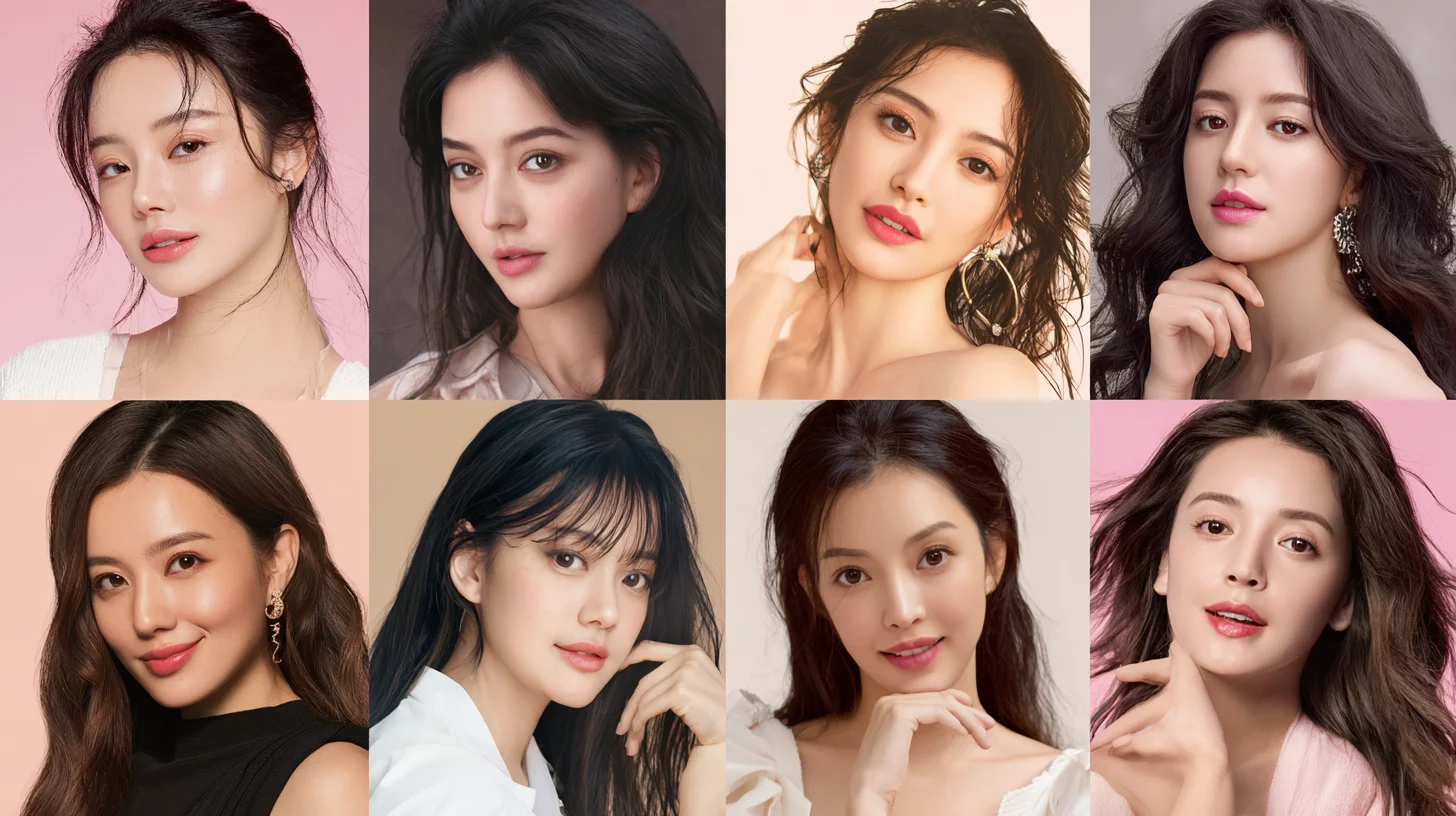
I’ve worked in the medspa industry for over a decade, consulting with clients who walk in with photos of celebrities or influencers, asking for “this nose” or “those lips.” They’re not asking for beauty—they’re asking for a specific, curated version of it, one that’s often digitally altered or surgically enhanced beyond recognition. The American Society of Plastic Surgeons reported over 15 million cosmetic procedures in the U.S. alone in 2022. That’s not just a trend; it’s a cultural epidemic. We’re not enhancing ourselves; we’re erasing ourselves, bit by bit, to fit a mold that was never meant for us.
The Conflict: Beauty as a Moving Target
Here’s the kicker: beauty isn’t static. It’s a moving target, shifting with every decade, every trend, every algorithm update. In the 90s, it was all about being waif-thin with sharp cheekbones—think Kate Moss. By the 2010s, it was the Kardashian effect: full lips, tiny waists, and exaggerated curves. Now, in the 2020s, we’re seeing the rise of “natural” beauty, which ironically often involves subtle fillers, microblading, and skin treatments that cost thousands to look “effortless.”
This constant evolution isn’t accidental. It’s engineered. The beauty industry thrives on insecurity, and insecurity thrives on change. If you finally achieve the “perfect” look, the standard shifts, and you’re back to square one. I’ve seen clients spend tens of thousands of dollars on procedures, only to come back six months later because they feel “outdated.” One woman, a 38-year-old lawyer, told me she felt invisible at work after a younger colleague with “trending” features got more attention. She wasn’t imagining it—research from the University of Texas found that physical attractiveness correlates with higher workplace recognition and even income. But chasing that edge is a losing game. You’re not just competing with others; you’re competing with an ideal that’s literally impossible.
The Rising Action: The Cost of the Chase
Let’s talk about the cost—not just financial, though that’s staggering. The average cost of a single Botox session in the U.S. is 300-500, and that’s a temporary fix requiring maintenance every few months. A full facial reconstruction with fillers, rhinoplasty, or jawline contouring can run upwards of $20,000. But the real cost isn’t in your wallet; it’s in your mind.
I’ve had clients cry in my consultation room, not because they’re unhappy with a procedure, but because they still don’t feel “enough.” One 25-year-old influencer admitted she’d spent over $15,000 on lip fillers and cheek enhancements, only to realize her followers still compared her to others. She wasn’t prettier; she was just more homogenized. This isn’t rare. A 2021 study published in Body Image found that 60% of women who underwent cosmetic procedures reported no long-term improvement in self-esteem. Why? Because the problem isn’t their face—it’s the narrative they’ve bought into.
And then there’s the physical toll. Botched procedures, allergic reactions, and long-term damage from overuse of injectables are real risks. I’ve seen women in their 30s with facial asymmetry from poorly administered fillers, and others whose skin has thinned from excessive chemical peels. The pursuit of beauty can leave scars, both visible and invisible, and yet we keep running toward it, convinced the next treatment will be the one that “fixes” us.
The Climax: Facing the Mirror
Here’s where the story turns. About five years into my career, I had a client named Sarah. She was 42, a single mom, and she came in wanting a full suite of treatments—Botox, fillers, a thread lift, you name it. She wasn’t wealthy; she’d saved for years for this. When I asked why, she broke down. “I just want to feel seen again,” she said. “I look in the mirror, and I don’t recognize myself. I’m not me anymore.”
That moment hit me hard. I realized I wasn’t just providing a service—I was feeding into a system that told people like Sarah they weren’t enough as they were. I started to question everything. Why was I helping people chase a standard that didn’t even make them happy? Why were we all so afraid to age, to have flaws, to be human? I couldn’t unsee the pain behind the procedures, the desperate need for validation that no syringe could fill.
I didn’t quit my job, but I changed how I worked. I started having longer consultations, asking clients not just what they wanted, but why. I began educating them on realistic outcomes, on the limits of aesthetics, on the fact that no amount of filler can replace self-acceptance. Some walked away, frustrated. Others stayed, and we worked on subtle enhancements that made them feel more like themselves, not less.
The Falling Action: Redefining Beauty on Your Terms
So, what’s the alternative? If beauty standards are a trap, how do we break free? First, we have to acknowledge that beauty isn’t objective—it’s cultural, personal, and fleeting. What’s considered beautiful in one country or era might be irrelevant in another. In South Korea, pale skin and double eyelids are prized; in Brazil, a curvier physique is the ideal. Even within our own lives, what we find beautiful changes as we grow. I used to hate my freckles as a teen; now, at 35, they’re my favorite feature.
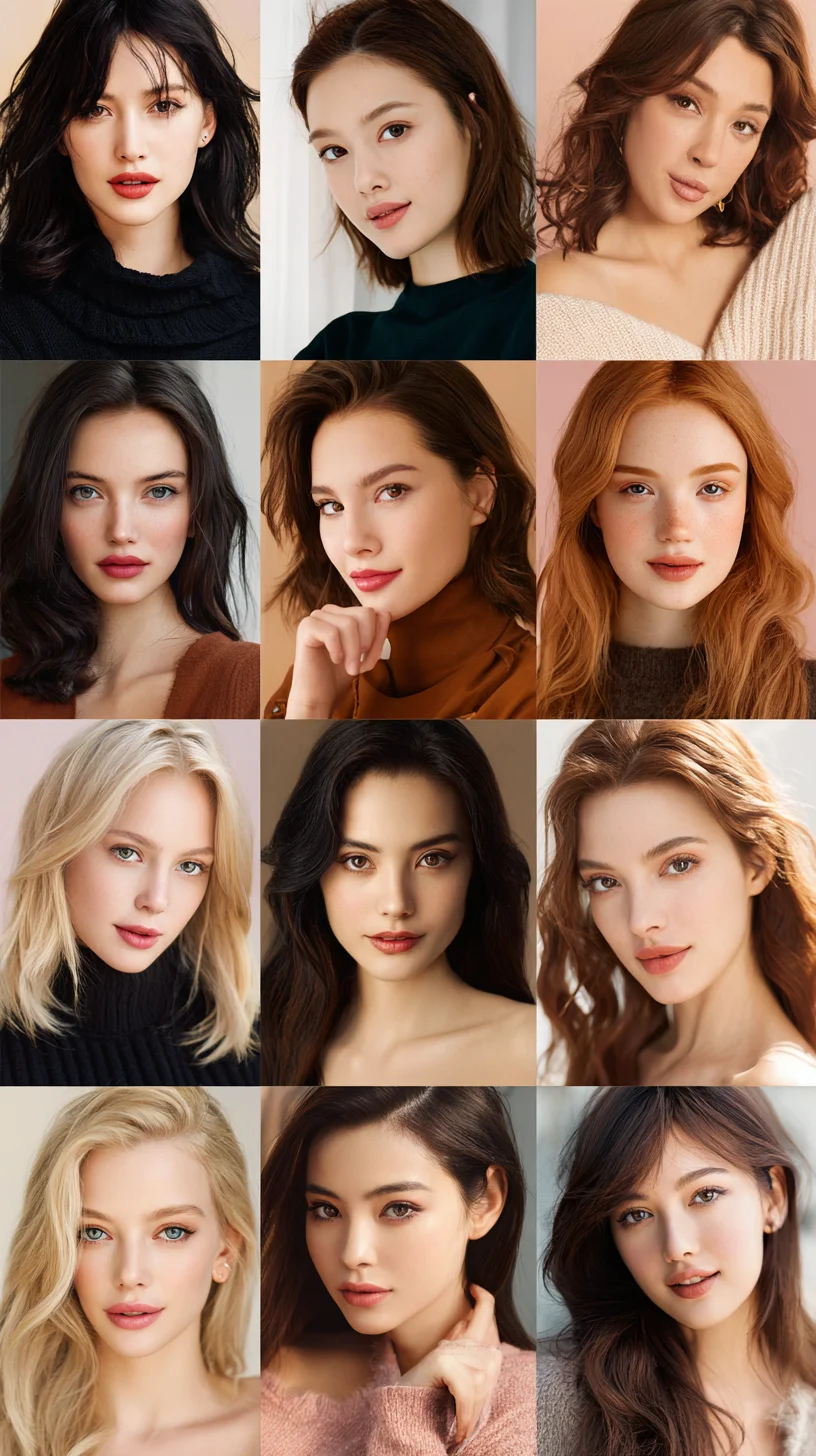
Second, we need to stop outsourcing our self-worth to external validation. Social media is a major culprit here. A 2020 study from the University of Pennsylvania linked heavy Instagram use to increased body dissatisfaction, especially among young women. The solution isn’t to delete your accounts (though that helps); it’s to curate your feed with intention. Follow accounts that celebrate diversity, that show unfiltered faces, that remind you beauty isn’t a monolith.
Finally, if you’re considering a cosmetic procedure, ask yourself the hard questions. Are you doing this for you, or for someone else’s gaze? Will this change how you feel about yourself in a year, or are you just chasing a trend? I’m not anti-medspa—done right, aesthetic treatments can boost confidence and help you align your outer self with your inner vision. But they’re a tool, not a cure. I’ve seen clients transform their mindset, not just their face, by approaching treatments as a choice, not a necessity.
The Resolution: Embracing the Imperfect
I’ll leave you with this: beauty isn’t the goal. Connection is. Joy is. Living a life that feels authentic to you is. I think back to Sarah, who eventually opted for just a small amount of Botox to soften her forehead lines—not because she felt she had to, but because it made her feel a bit more polished on her terms. When she looked in the mirror after, she smiled, not because she looked “perfect,” but because she felt like herself again.
We’re all flawed. We all age. We all carry marks of our stories—wrinkles from laughing, scars from falling, asymmetries that make us unique. The brutal truth is that the ideal we’re chasing isn’t beauty; it’s sameness. And sameness isn’t beautiful—it’s boring. So, the next time you stand in front of the mirror, don’t look for what’s “wrong.” Look for what’s yours. That’s the beauty no one can take away, no trend can outdated, no procedure can replicate.
In a world that profits off your insecurity, choosing to accept yourself isn’t just radical—it’s revolutionary. So, let’s start a revolution, one imperfect, human face at a time.

免责声明:本文为消费决策参考与行业观察,不构成医疗建议、诊断或治疗方案。医美及健康管理相关决策存在个体差异与风险,请选择正规医疗机构,由执业医师面诊评估后决定。