In the realm of aesthetic medicine, a field that has seen exponential growth over the past few decades, lies a profound ethical conundrum. This article delves into the philosophical underpinnings of beauty and the moral implications of altering one's appearance through medical interventions. Using the value conflict model, we will explore the tension between individual autonomy, societal expectations, and the medical profession's ethical responsibilities.
The Pursuit of Beauty: Individual Autonomy vs. Societal Pressure
At the heart of aesthetic medicine is the individual's desire to enhance their appearance. This pursuit is often framed as an exercise of personal autonomy, where individuals seek to control and improve their self-image. The value of autonomy is deeply ingrained in modern society, emphasizing the right of individuals to make choices about their own bodies.
However, this autonomy is not exercised in a vacuum. Societal pressures and cultural norms heavily influence perceptions of beauty, often dictating what is considered desirable or acceptable. The media, social media platforms, and celebrity culture perpetuate idealized images of beauty, creating a standard that many feel compelled to meet. This raises the question: to what extent is the pursuit of aesthetic medicine driven by genuine personal desire versus societal coercion?
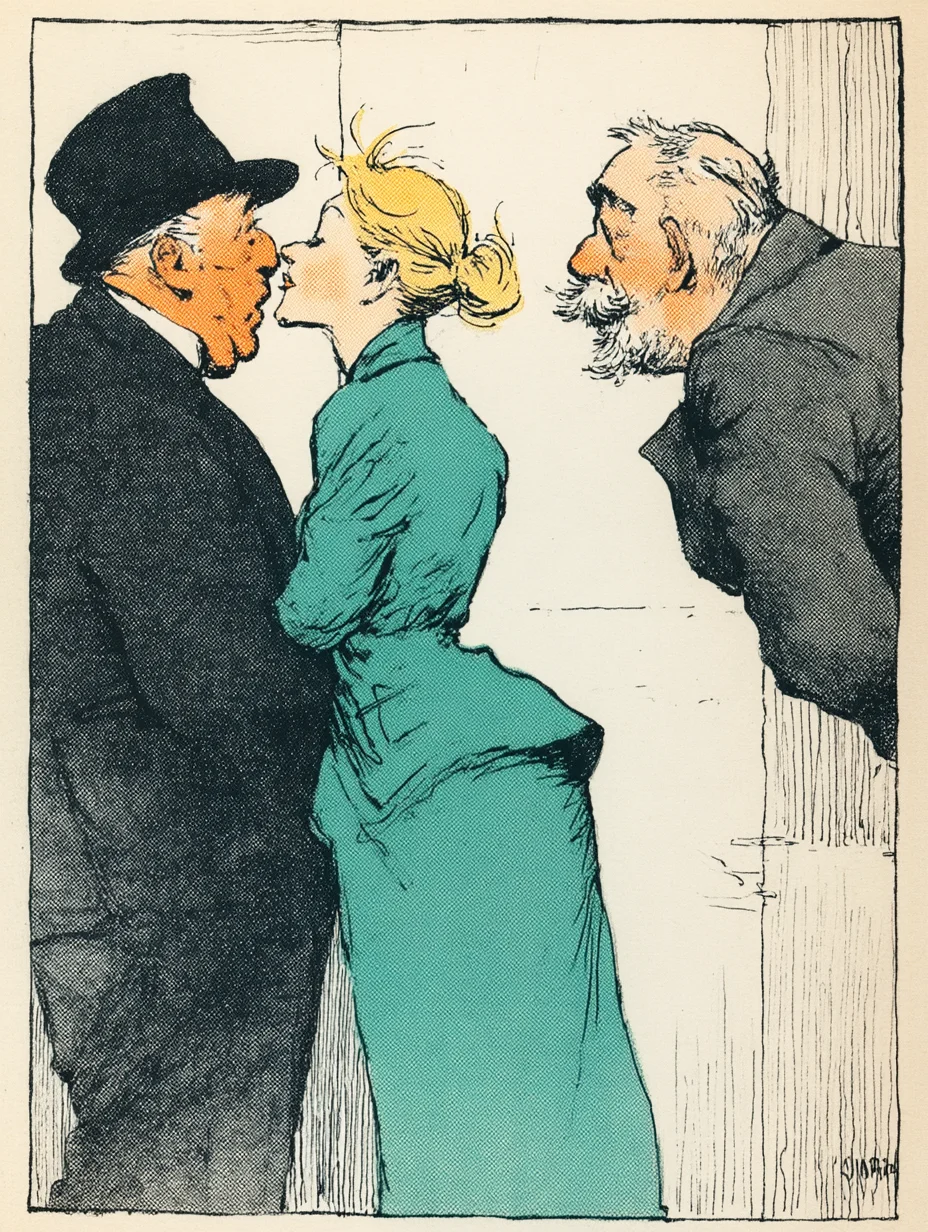
The value conflict here is stark. On one hand, we have the principle of autonomy, which supports the individual's right to alter their appearance. On the other hand, we must consider the impact of societal pressure, which may undermine true autonomy by shaping desires in ways that are not entirely self-directed.
The Medical Profession's Ethical Responsibilities
The medical profession plays a crucial role in the practice of aesthetic medicine. Doctors and practitioners are bound by ethical codes that prioritize the well-being of their patients. This includes ensuring that patients are fully informed about the risks and benefits of any procedure and that their decisions are made freely and without coercion.
Yet, the commercialization of aesthetic medicine complicates this ethical landscape. The industry is driven by profit, and there is a risk that financial incentives may overshadow the primary duty to patient care. This raises ethical concerns about the potential for over-treatment or the promotion of unnecessary procedures.

The value conflict here is between the medical profession's commitment to patient welfare and the economic interests that may drive the industry. Practitioners must navigate this tension, striving to uphold their ethical obligations while operating within a commercial framework.
The Social and Psychological Implications
Beyond individual autonomy and medical ethics, aesthetic medicine has broader social and psychological implications. The normalization of cosmetic procedures can lead to a culture of body dissatisfaction, where individuals feel pressured to constantly improve their appearance. This can have detrimental effects on mental health, contributing to issues such as body dysmorphia and low self-esteem.
Moreover, the democratization of beauty through aesthetic medicine can exacerbate social inequalities. While some individuals have the financial means to pursue these enhancements, others do not, potentially widening the gap between different socioeconomic groups. This raises questions about fairness and access to beauty as a form of social capital.

The value conflict in this context is between the potential benefits of aesthetic medicine in enhancing self-esteem and the risks of perpetuating harmful societal norms. It challenges us to consider whether the pursuit of beauty through medical means ultimately contributes to individual and collective well-being.
Philosophical Perspectives on Beauty and Identity
Philosophically, the concept of beauty has been debated for centuries. Traditional views often linked beauty to objective standards, while contemporary thought tends to emphasize its subjective nature. In the context of aesthetic medicine, this debate becomes particularly relevant.
If beauty is subjective, then the decision to alter one's appearance can be seen as a valid expression of personal identity. However, if beauty is influenced by societal standards, then the pursuit of aesthetic medicine may be less about personal expression and more about conforming to external expectations.
The value conflict here lies in the tension between the subjective and objective dimensions of beauty. It challenges us to consider whether aesthetic medicine enhances personal identity or merely reinforces societal norms.

Navigating the Ethical Dilemma
Navigating the ethical dilemma of aesthetic medicine requires a nuanced approach that balances individual autonomy, societal influence, and the medical profession's ethical responsibilities. It calls for greater awareness and education about the psychological and social implications of cosmetic procedures.
Patients should be encouraged to reflect on their motivations for seeking aesthetic medicine, ensuring that their decisions are truly self-directed. Practitioners must remain vigilant in upholding their ethical obligations, resisting the pressures of commercialization to prioritize patient welfare.
At a societal level, there is a need to challenge and diversify beauty standards, promoting a culture that values diversity and individuality over conformity. This involves critical engagement with media and cultural representations of beauty, advocating for more inclusive and realistic portrayals.
Ultimately, the ethical dilemma of aesthetic medicine is a microcosm of broader philosophical questions about beauty, identity, and autonomy. It challenges us to consider how we define beauty and the role it plays in our lives, both as individuals and as a society. By engaging with these questions, we can work towards a more ethical and enlightened approach to aesthetic medicine.