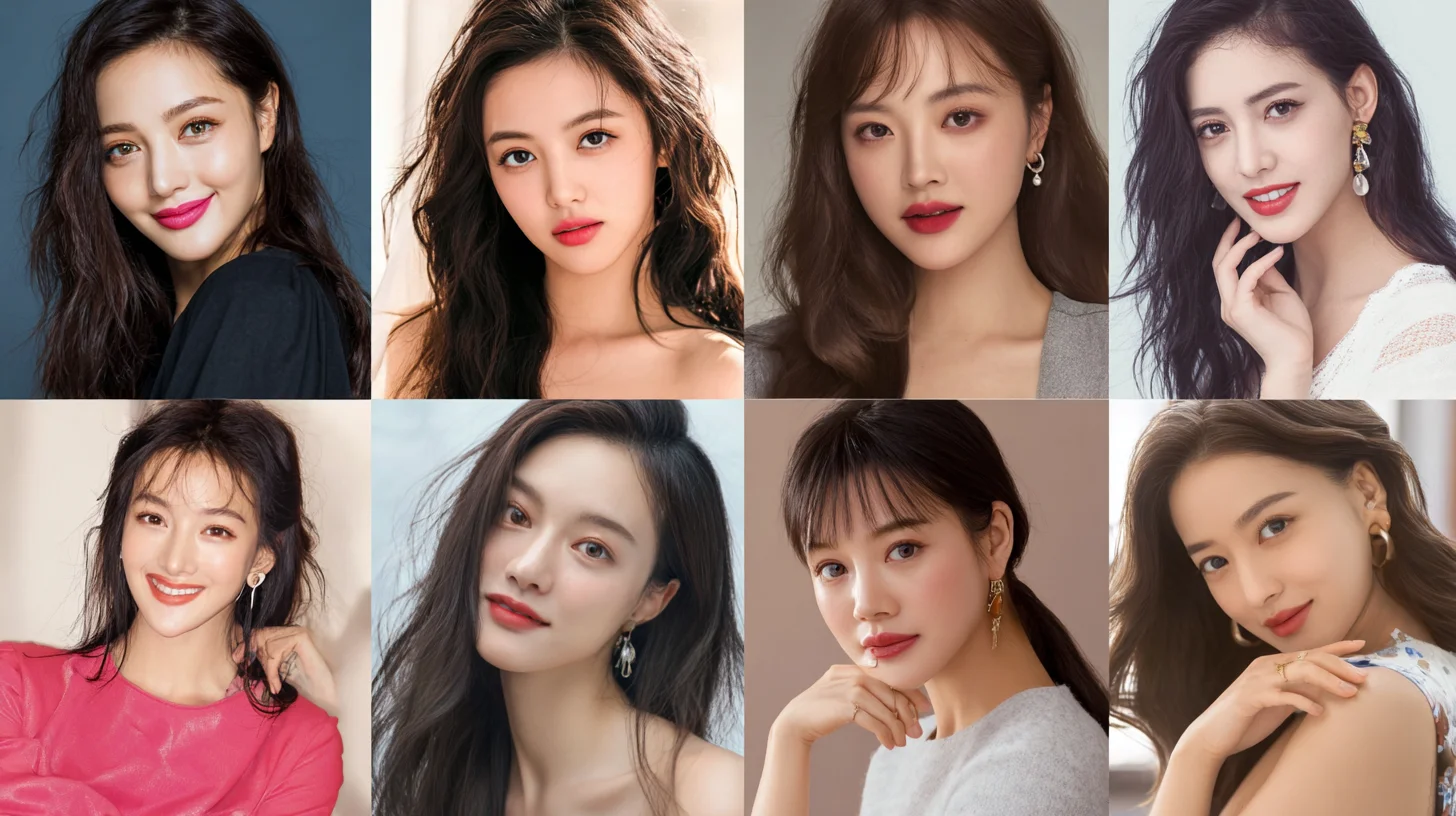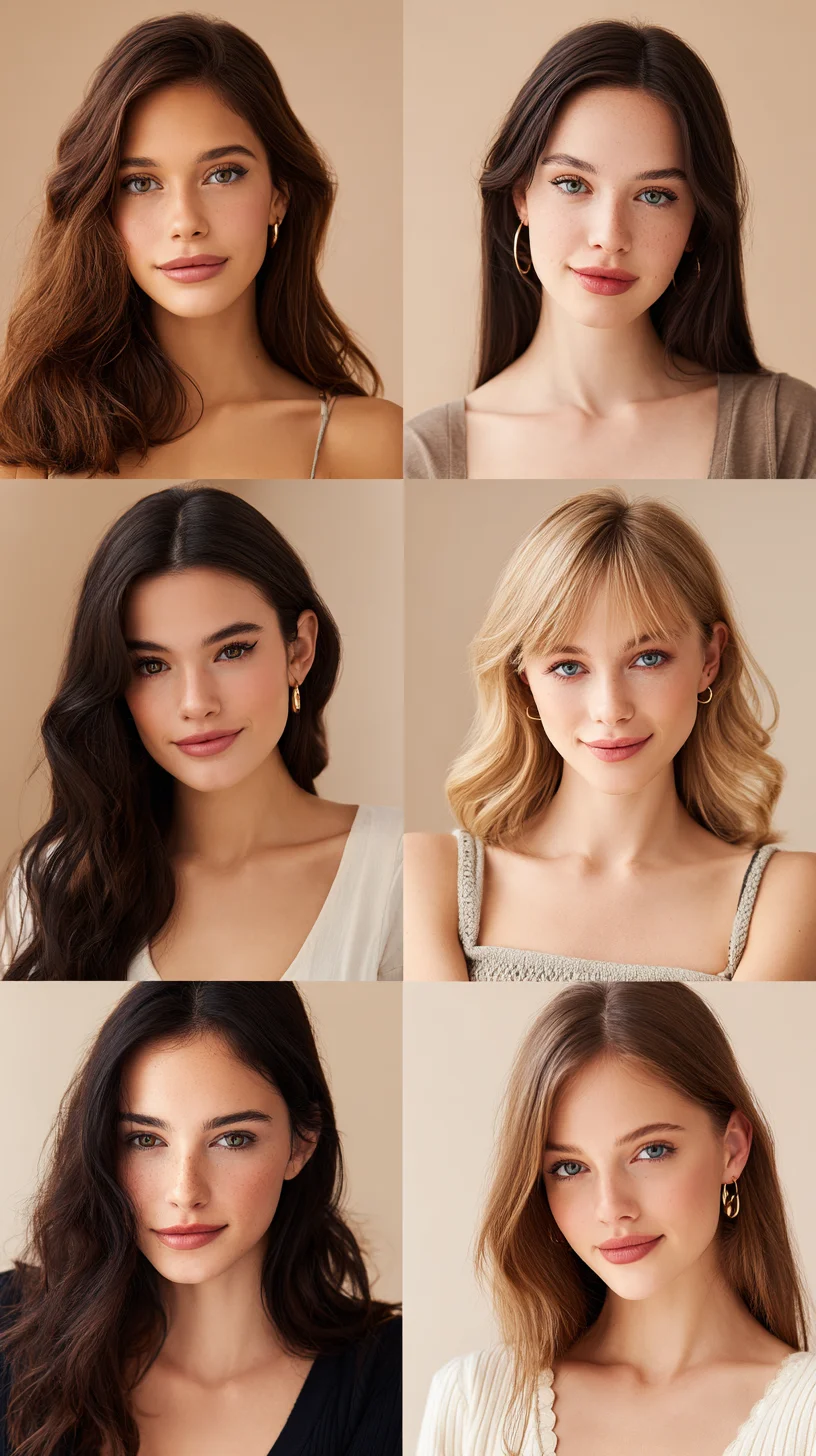
In a world where personal identity is increasingly celebrated, the realm of medical aesthetics has emerged as a transformative force, offering individuals the tools to craft their outward appearance in alignment with their inner vision. Imagine standing before a mirror, not just seeing a reflection, but a canvas—one where every contour, every shade, and every line can tell a story of who you are or who you aspire to be. This is the essence of what I like to call "aesthetic freedom," a concept deeply tied to the idea of wandering through life unburdened by societal norms, much like the philosophy of "逍遥游" (carefree wandering) from ancient Chinese thought. But what does this freedom truly mean in the context of medical beauty? How does it resonate with you, the reader, as you navigate your own journey of self-expression?
In this exploration, inspired by the reader response theory, I invite you to reflect on your own perceptions and experiences as we delve into the intersection of medical aesthetics and personal liberation. Together, we'll uncover how this industry isn't just about altering appearances—it's about empowering individuals to live authentically, to wander freely in their own skin. Let』s embark on this journey, examining the cultural, psychological, and technological dimensions of aesthetic freedom, and how they might mirror or challenge your own views.
The Cultural Lens: Redefining Beauty as a Form of Wanderlust
At its core, the philosophy of "逍遥游," drawn from Zhuangzi』s Taoist teachings, speaks to a life of unbound exploration—free from the constraints of rigid structures or expectations. In the context of beauty, this translates to a rejection of universal standards and an embrace of personal ideals. But let』s pause for a moment: how do you define beauty? Is it shaped by the images you scroll through on social media, the features celebrated in your community, or something entirely unique to your own vision?
Historically, beauty standards have often been a cage rather than a canvas. From the corseted waists of Victorian Europe to the pale skin ideals of ancient China, societal norms have dictated what it means to be "beautiful." Medical aesthetics, however, is shifting this narrative. Procedures like Botox, dermal fillers, and laser treatments are no longer just tools for vanity—they are instruments of autonomy. They allow individuals to transcend cultural expectations, to wander beyond the confines of inherited ideals, and to sculpt a version of themselves that feels true.
Consider, for instance, the rise of non-surgical rhinoplasty. This procedure, which uses fillers to reshape the nose, has become a popular choice for those seeking subtle refinement without the permanence of surgery. It』s not just about achieving a "perfect" nose (whatever that means to you); it』s about aligning your appearance with your sense of identity. In regions like East Asia, where high nasal bridges are often idealized, this treatment offers a way to explore beauty on one』s own terms—perhaps embracing a feature that feels empowering rather than conforming to a preset mold. What does this mean for you? Does it challenge the beauty ideals you』ve grown up with, or does it resonate with a desire to redefine them?
The Psychological Impact: Wandering Within to Find Confidence
If the external journey of aesthetic freedom is about redefining beauty, the internal journey is about rediscovering confidence. Medical aesthetics doesn』t just change how others see you—it transforms how you see yourself. Think about a time when you felt truly confident in your skin. What sparked that feeling? Was it a compliment, a personal achievement, or simply a moment of self-acceptance?
Research in psychology supports the idea that physical appearance plays a significant role in self-esteem. A 2019 study published in the Journal of Cosmetic Dermatology found that patients who underwent minimally invasive aesthetic procedures reported significant improvements in self-confidence and overall life satisfaction. This isn』t surprising when you consider the concept of "enclothed cognition"—the idea that what we wear (or how we present ourselves) influences how we think and feel. In the same way that a tailored suit can make you feel powerful, a subtle tweak to your facial features through medical aesthetics can shift your internal narrative.
Take, for example, the use of Botox for treating frown lines. Beyond its cosmetic benefits, Botox has been shown to impact emotional well-being. A study in the Journal of Psychiatric Research (2020) suggested that reducing frown lines can decrease feelings of anxiety and depression, possibly because the inability to frown disrupts negative feedback loops in the brain. This is a profound intersection of the physical and psychological: by wandering away from a furrowed brow, you might also wander toward a lighter state of mind. How does this idea sit with you? Have you ever noticed a connection between your appearance and your mood, or does this concept feel foreign?
Yet, this psychological freedom isn』t without its shadows. The pressure to maintain or achieve a certain look can sometimes tether individuals to new forms of anxiety. The key, much like in Zhuangzi』s philosophy, is to remain unattached—to view medical aesthetics as a tool for exploration, not a destination. It』s about wandering through possibilities without being bound by them. Reflect on this: are you seeking change for yourself, or to meet an external expectation? Your answer might illuminate the balance between freedom and constraint in your own aesthetic journey.
The Technological Horizon: Tools for a Carefree Aesthetic Journey
One of the most exciting aspects of modern medical aesthetics is the rapid evolution of technology, which has made the pursuit of beauty more accessible and personalized than ever before. Just as a wanderer might choose different paths to reach the same vista, individuals today have an array of options to explore their aesthetic goals. But with so many innovations at our fingertips, how do you decide which path to take? What factors guide your choices—safety, cost, or perhaps the promise of natural results?
Take, for instance, the advent of AI-driven facial analysis in aesthetic consultations. Clinics now use software to map facial features with precision, offering tailored recommendations for treatments like fillers or thread lifts. This isn』t just a gimmick; it』s a revolution in personalization. A 2022 report from the Aesthetic Surgery Journal highlighted that AI-assisted planning increased patient satisfaction by 30% compared to traditional consultations, as it allowed for a more collaborative approach. This technology embodies the spirit of "逍遥游"—it frees patients and practitioners from guesswork, enabling a journey of discovery that is uniquely suited to each individual.
Another groundbreaking development is the rise of regenerative aesthetics, such as platelet-rich plasma (PRP) therapy and stem cell treatments. These procedures harness the body』s own healing mechanisms to rejuvenate skin or stimulate hair growth, offering a more organic approach to beauty. Unlike traditional fillers that add volume, PRP works by enhancing what』s already there—a subtle nudge rather than a dramatic shift. For someone wary of looking "overdone," this might feel like a more authentic form of wandering, a gentle exploration of one』s natural potential. Does this resonate with you? Are you drawn to treatments that enhance rather than transform, or do you crave bolder changes?
Of course, with innovation comes responsibility. The accessibility of treatments like at-home microneedling devices or unregulated injectables poses risks, reminding us that true freedom in aesthetics requires informed choices. Wandering carefree doesn』t mean wandering recklessly. As you consider your own aesthetic path, what role does knowledge play in your decisions? Do you feel equipped to navigate this landscape, or does the abundance of options feel overwhelming?
The Ethical Crossroads: Freedom vs. Responsibility in Aesthetic Choices
As we wander through the possibilities of medical aesthetics, we inevitably arrive at an ethical crossroads. The freedom to shape our appearance is empowering, but it also raises questions about responsibility—both to ourselves and to society. How do you feel about the balance between personal choice and societal impact? Does the pursuit of aesthetic freedom ever feel like a compromise of authenticity?
One pressing issue is the influence of social media, where filtered images and curated beauty standards can distort perceptions of what』s "normal." A 2021 study in Body Image found that frequent exposure to idealized images on platforms like Instagram correlated with increased dissatisfaction with one』s appearance, particularly among younger demographics. While medical aesthetics offers a way to bridge the gap between reality and aspiration, it can also perpetuate a cycle of comparison if not approached mindfully. The philosophy of "逍遥游" urges us to let go of external validations—to wander for the sake of our own joy, not to chase an unattainable ideal. How does this resonate with your own relationship with social media? Do you find it inspires or confines your sense of beauty?
Moreover, the industry itself must grapple with ethical considerations. Accessibility remains a barrier, with many advanced treatments priced out of reach for the average person. True aesthetic freedom cannot exist if it』s reserved for a privileged few. Initiatives like community clinics and financing options are steps toward inclusivity, but there』s still a long way to go. As a reader, does this disparity affect how you view the industry? Do you see medical aesthetics as a universal right or a luxury?
Wandering Toward Your Own Aesthetic Truth
As we near the end of this exploration, I want to return to you, the reader. The concept of "逍遥游" isn』t just a lofty ideal—it』s a lived experience, a call to wander freely through the landscapes of beauty, identity, and self-expression. Medical aesthetics, at its best, is a companion on this journey, offering tools to shape your external self in harmony with your internal truth. But the path is yours to choose. What does aesthetic freedom mean to you? Is it a subtle enhancement, a bold transformation, or simply the courage to embrace yourself as you are?
Reflect on the stories, data, and ideas we』ve traversed. Perhaps the cultural redefinition of beauty inspires you to challenge norms that no longer serve you. Maybe the psychological benefits of aesthetic treatments spark a curiosity about how small changes could shift your confidence. Or perhaps the ethical dilemmas remind you to approach this field with intention and awareness. Whatever your response, it』s a vital part of this dialogue—a reminder that beauty, like wandering, is deeply personal.
In the spirit of carefree exploration, I encourage you to take a moment after reading this to consider your next step. Whether it』s researching a treatment that intrigues you, journaling about your relationship with beauty, or simply appreciating the skin you』re in, let this be a continuation of your journey. Aesthetic freedom isn』t a destination; it』s a way of being. So, where will you wander next?