
Introduction: A World on the Brink of Transformation
In the heart of Silicon Valley, a quiet revolution is unfolding—one that doesn』t make headlines with flashy gadgets or viral apps, but subtly reshapes industries that touch the core of human desire. Medical aesthetics, an arena once dominated by the steady hands of surgeons and the meticulous eye of dermatologists, is now encountering a new player: Artificial Intelligence (AI). Imagine a world where a machine can predict the perfect facial contour for your unique bone structure, or where a bot can analyze your skin』s deepest layers in seconds, prescribing a treatment plan more precise than any human could dream of crafting. This is not science fiction. This is happening now. But with this promise comes a shadow—a tension between innovation and ethics, between personalization and privacy. Can AI truly redefine beauty without losing the human touch?
Act 1: The Rising Tension—Beauty Meets the Machine
The medical aesthetics industry thrives on precision and personalization. Every face tells a story, and every treatment must be a bespoke masterpiece. Traditionally, this has been the domain of human expertise—decades of training, an intuitive understanding of symmetry, and a deep empathy for a patient』s insecurities. Enter AI, a technology that promises to outpace human capability with data-driven precision. Algorithms can now analyze thousands of facial images to identify 「ideal」 proportions based on cultural trends, historical beauty standards, and even personal preferences. Tools like facial recognition software and 3D imaging can simulate post-treatment outcomes with startling accuracy, allowing patients to 「try on」 a new nose or jawline before committing to surgery.

But here』s the rub: beauty isn』t just math. It』s emotion. It』s culture. It』s the way a smile feels, not just how it looks. Early adopters of AI in medspa clinics have reported mixed results. While some patients rave about the hyper-accurate Botox placement guided by AI mapping, others feel unsettled by the cold, mechanical nature of the process. 「It』s like the machine knew what I wanted better than I did,」 one patient confided after a consultation in a high-tech Beverly Hills clinic. 「But I missed talking to someone who understood why I felt insecure in the first place.」 This tension—between the flawless efficiency of AI and the irreplaceable warmth of human connection—sets the stage for a deeper conflict.
Act 2: The Climax—AI』s Power and Peril in Action
To understand the stakes, let』s zoom into a real-world application of AI in medical aesthetics: skin analysis. Companies like SkinCeuticals and L』Oréal have partnered with AI developers to create tools that scan skin at a microscopic level, identifying issues like hyperpigmentation, dehydration, or early signs of melanoma long before they』re visible to the naked eye. These systems use machine learning to compare a patient』s skin against millions of data points, generating a treatment plan—be it a chemical peel, laser therapy, or a custom skincare regimen—in mere minutes. A 2022 study published in the Journal of Dermatological Science found that AI-driven skin diagnostics achieved a 94% accuracy rate in detecting precancerous lesions, surpassing the average dermatologist』s 88% accuracy.

This is a game-changer for accessibility. Imagine a rural patient uploading a selfie to an app and receiving a detailed diagnosis without ever stepping into a clinic. Telemedicine platforms powered by AI are already making this a reality, democratizing access to high-quality care. But the peril emerges when we consider the data behind these miracles. Every scan, every selfie, feeds into a vast database. Who owns this data? How secure is it? In 2021, a major beauty tech company faced a lawsuit after a data breach exposed thousands of patients』 facial scans—images that could be used for everything from identity theft to deepfake creation. The promise of AI is undeniable, but the risk of exploitation looms large.
Then there』s the ethical quagmire of beauty standards. AI systems are trained on datasets that often reflect biased or homogenous ideals of attractiveness—think Eurocentric features or Instagram-filtered perfection. If left unchecked, these algorithms could perpetuate unrealistic standards, subtly nudging patients toward treatments they don』t need. A prominent plastic surgeon in New York recently warned, 「We』re seeing patients come in with AI-generated simulations of their 『ideal』 face, but it』s not their face—it』s a version of beauty the machine was taught to prioritize. We risk losing diversity in what we define as beautiful.」
Act 3: The Falling Action—Navigating the Human-Machine Balance
So how do we harness AI』s potential without surrendering the soul of medical aesthetics? The answer lies in integration, not replacement. Leading clinics are pioneering hybrid models where AI serves as a tool, not a decision-maker. For instance, in Seoul—often dubbed the plastic surgery capital of the world—top surgeons use AI to map facial nerves with unprecedented precision during procedures like rhinoplasty, reducing the risk of complications by 30%, according to a 2023 report in Aesthetic Surgery Journal. Yet, the final call on proportions or injection sites remains with the surgeon, who brings an artistic sensibility that no algorithm can replicate.

On the patient side, education is key. Clinics must transparently communicate how AI is used, from data collection to treatment recommendations, ensuring informed consent. Regulatory bodies are stepping in as well. The European Union』s AI Act, set to take effect in 2024, classifies medical AI tools as 「high-risk,」 mandating strict oversight on data privacy and algorithmic bias. In the U.S., the FDA has begun reviewing AI diagnostic tools under the same rigorous standards as medical devices, a move applauded by industry watchdogs.
Perhaps most crucially, the industry must prioritize empathy in design. AI developers are collaborating with psychologists to create interfaces that mimic human interaction—think chatbots that ask about a patient』s emotional goals for a procedure, not just their physical ones. A pilot program at Stanford University is even training AI to detect subtle cues in a patient』s voice or facial expressions during virtual consultations, alerting human staff if someone seems distressed or uncertain. These innovations aim to bridge the gap between cold code and warm compassion.
Act 4: The Resolution—A New Definition of Beauty
As I reflect on this unfolding story, I』m struck by a parallel from history. When photography emerged in the 19th century, painters feared their art would become obsolete. Instead, photography pushed painting into new realms of expression—impressionism, surrealism, abstraction. AI in medical aesthetics may follow a similar path. It won』t replace the human touch but will challenge us to redefine it. Perhaps the true potential of AI lies not in perfecting beauty, but in empowering patients and practitioners to explore it more deeply.

Consider the case of a small medspa in Chicago that adopted AI for client consultations last year. Initially, the staff worried they』d lose their personal connection with patients. But over time, they found that AI freed them from tedious data analysis, allowing more time for meaningful conversations. 「The machine handles the numbers,」 the spa』s director told me. 「We handle the heart.」 Their patient satisfaction scores have since soared by 25%.
This is the future I envision—one where AI amplifies human expertise rather than competes with it. A future where a single mother in a remote town can access world-class skin diagnostics through her phone, and a surgeon in a bustling city can perform a flawless procedure with the aid of a digital assistant. But this future demands vigilance. We must guard against the biases embedded in code, protect the sanctity of personal data, and never forget that beauty, at its core, is a deeply human experience.
Conclusion: The Mirror of Tomorrow
Standing at this crossroads, we face a choice. Will we allow AI to dictate the contours of beauty, or will we shape it into a tool that serves our shared humanity? The answer isn』t written in code—it』s written in the stories of every patient who seeks to feel seen, every doctor who strives to heal, and every innovator who dares to dream. As the silent revolution of AI unfolds in medical aesthetics, let』s ensure it reflects not just the face we want to see in the mirror, but the values we hold dear. The machine can calculate perfection, but only we can define it.
相关文章

AI Is Revolutionizing MedTech: How Artificial Intelligence Is Redefining Beauty and Wellness
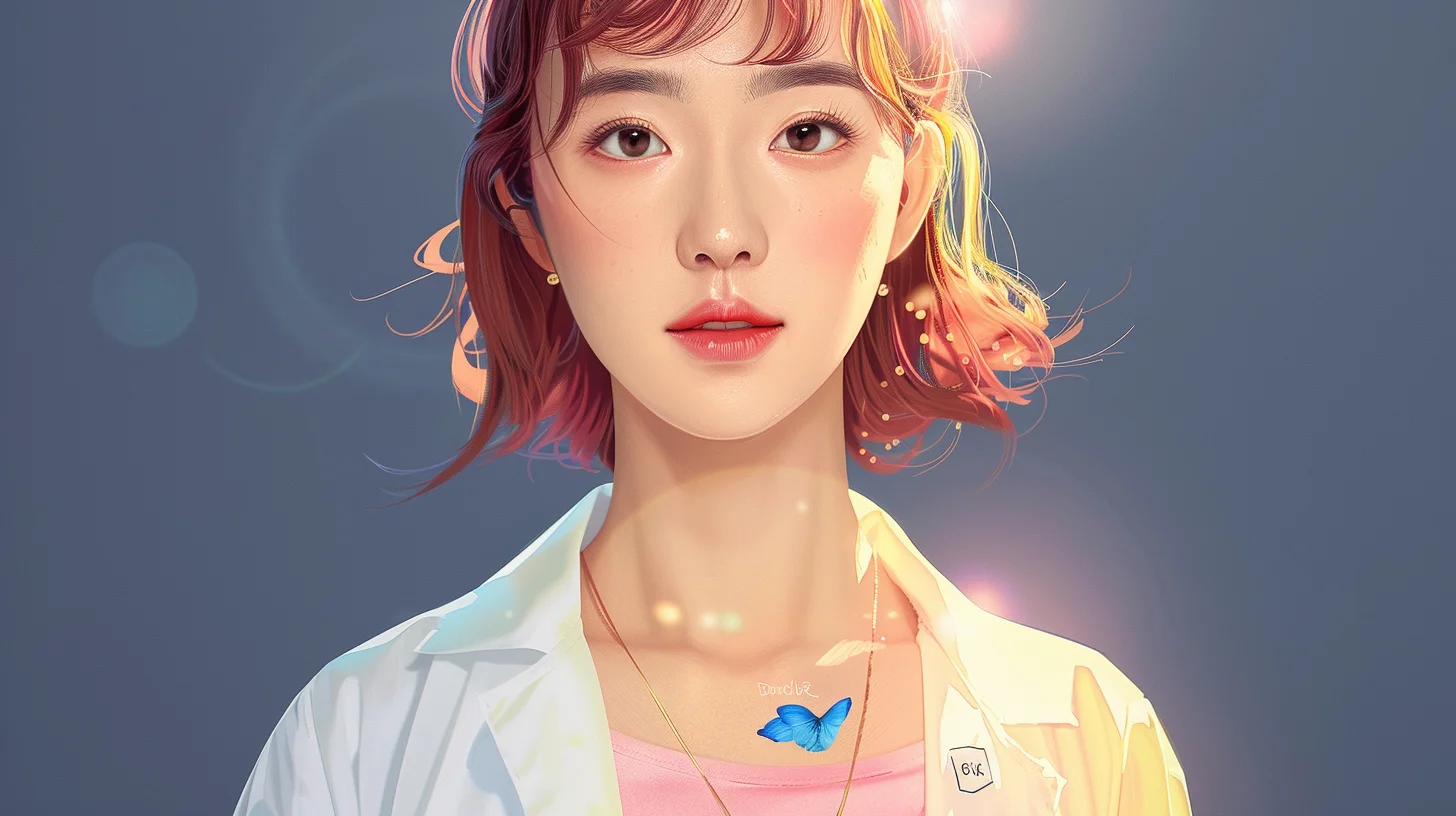
AI in MedTech: The Beautiful Disruption of Medical Aesthetics

AI 在医美行业的革命性应用:从第一性原理出发

AI-Powered Beauty: Revolutionizing Med Spa Treatments with Intelligent Design

The Hidden Risks of Non-Compliance in Medical Aesthetics: Why Regulation Matters More Than Ever