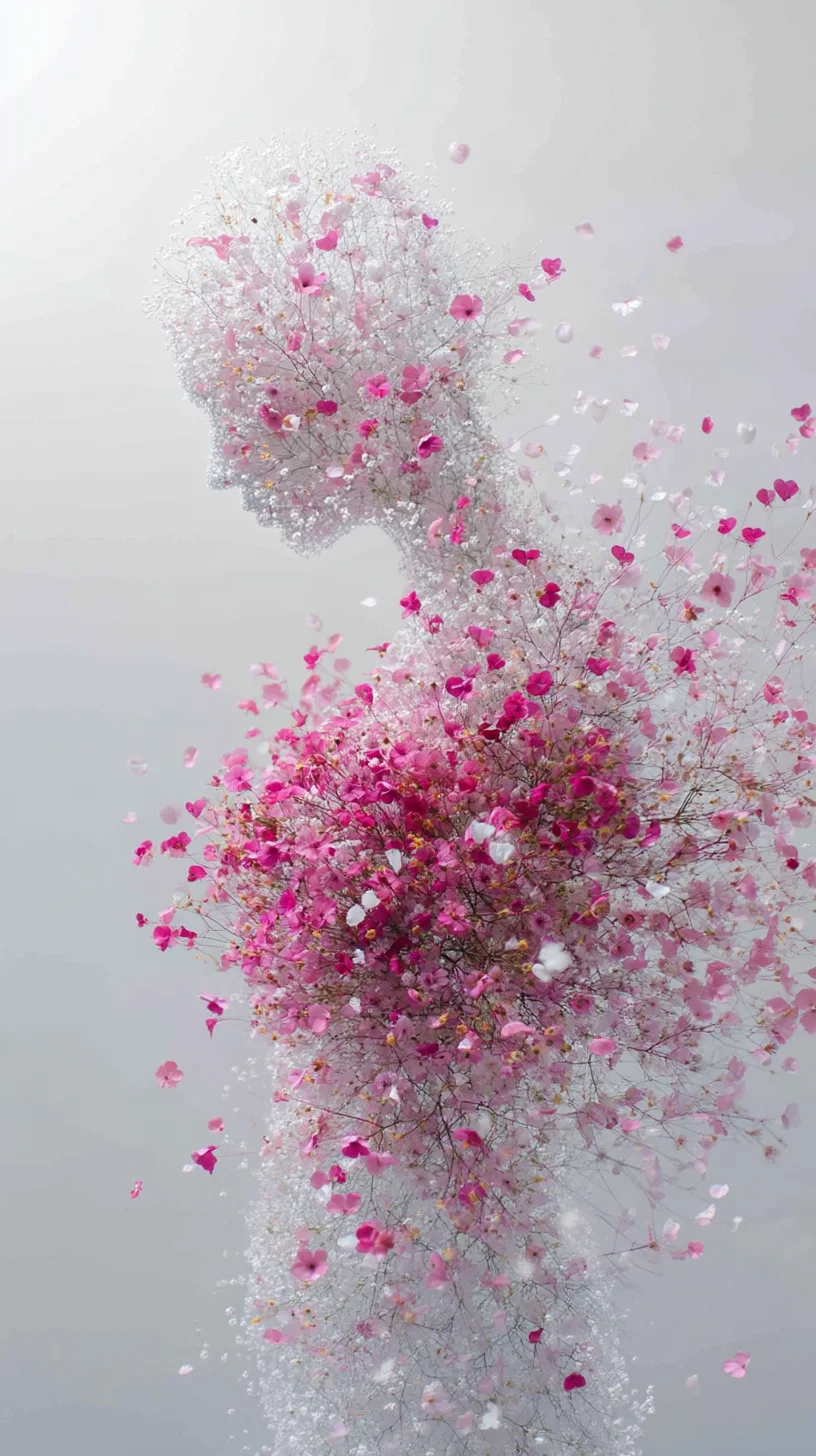
Introduction: The Canvas of the Body
In the quiet hum of a medical aesthetics clinic, there is a poetry that unfolds—a silent sonnet written in the language of skin, bone, and light. The human form, with all its imperfections and aspirations, becomes a canvas where science and art collide. As a writer, I find myself drawn to this intersection, where the scalpel and syringe mimic the poet』s pen, crafting stanzas of beauty on the body』s surface. Much like a narrative arc, the journey of transformation in medical aesthetics follows a rhythm, a rise and fall of expectation and revelation. Using Freytag』s Pyramid as our guide, let us explore this journey, not merely as a clinical process, but as a deeply literary act—a story of identity, vulnerability, and the eternal quest for harmony.
Exposition: The Yearning for Beauty
Every story begins with a setting and a longing. In the world of medical aesthetics, the setting is the mirror—the unflinching judge that reflects both our truths and insecurities. Here, the protagonist is the individual gazing at their reflection, wrestling with a narrative they wish to rewrite. Perhaps it is the deepening lines on a forehead, etching years of laughter and worry, or the asymmetry of features that feels like a misplaced metaphor in their personal story. This longing for beauty is not mere vanity; it is a universal human impulse, as old as the myths of Aphrodite and as enduring as the sonnets of Shakespeare, who wrote of beauty as both a fleeting treasure and a timeless ideal.

In this expository phase, we meet the cultural backdrop that shapes these desires. Society』s standards, often as rigid as the iambic pentameter of a formal verse, dictate what is beautiful. Yet, beneath these external pressures lies a personal narrative—a desire to align the outer self with the inner vision. Medical aesthetics, then, emerges as the tool to edit this narrative, to smooth the rough edges of a draft that feels incomplete. Procedures like Botox, fillers, or laser treatments are not just clinical interventions; they are plot devices, catalysts that promise to move the story forward toward resolution.
Rising Action: The Decision and the Tension
As the narrative builds, so does the tension. The decision to undergo a medical aesthetic procedure is fraught with internal conflict, much like a character in a novel grappling with a life-altering choice. Will this change bring the desired transformation, or will it reveal a deeper flaw in the protagonist』s understanding of self? This rising action is marked by research and consultation—hours spent poring over reviews of clinics, scrutinizing before-and-after photos, and sitting across from a practitioner whose words carry the weight of both science and artistry.
This stage is not without its antagonists. Doubt creeps in like a shadowy foil, whispering of risks and complications. The fear of looking 「overdone」 or unnatural looms large, as does the societal critique of altering one』s appearance. Yet, there is also excitement—a crescendo of hope as the appointment day approaches. The practitioner, in this narrative, becomes a co-author, wielding expertise to shape the story』s direction. They explain the science behind hyaluronic acid fillers, which plump the skin by attracting water molecules, or the precision of fractional laser resurfacing, which stimulates collagen production to erase scars and fine lines. These technical details, though grounded in biology, carry a lyrical quality, a rhythm that mirrors the building anticipation of the protagonist』s journey.

Climax: The Moment of Transformation
At the peak of Freytag』s Pyramid lies the climax—the moment of irreversible change. In the context of medical aesthetics, this is the procedure itself, the point where intention becomes action. The sterile room, the cold touch of antiseptic, the sharp pinch of a needle or the hum of a laser machine—these are the sensory details that mark this turning point. For some, it is a quick injection of Botox to relax overactive muscles, freezing time in the furrows of a brow. For others, it is a more invasive procedure, like a facelift, where layers of skin and tissue are meticulously reshaped to defy gravity』s relentless pull.
This moment is laden with vulnerability. The protagonist surrenders control, trusting the practitioner to interpret their vision of beauty. It is a profound act of faith, akin to a poet handing over their manuscript to an editor, hoping the essence of their words remains intact. And yet, there is power in this surrender—a recognition that beauty, like a well-crafted story, often requires collaboration. The climax is not just physical; it is emotional, a confrontation with the self. As the needle pierces or the laser pulses, there is a simultaneous piercing of doubt, a shedding of old narratives to make way for the new.
Falling Action: The Unveiling and Reflection
After the intensity of the climax, the narrative eases into the falling action—the period of recovery and revelation. Swelling subsides, bruises fade, and the mirror once again becomes the stage for introspection. The protagonist, now bearing the subtle or striking results of their procedure, must reconcile with this altered reflection. A lip filler may have added a curve of confidence, or a chemical peel may have unveiled a luminosity long buried beneath dullness. But with this unveiling comes a deeper question: does this new exterior align with the internal story they wish to tell?

This phase is often marked by a quietude, a slowing of pace as the initial excitement gives way to contemplation. The science behind the transformation continues to unfold—collagen rebuilds over weeks, neurotoxins settle into their paralytic effect, and skin adapts to its renewed texture. But beyond the biology, there is a literary process at play: the rewriting of self-perception. Much like a reader revisiting a novel』s pivotal chapter, the individual revisits their motivations, questioning whether the change was for themselves or for the gaze of others. This introspection is the heart of the falling action, a necessary pause before the story resolves.
Resolution: The New Narrative of Self
In the final act of Freytag』s Pyramid, we arrive at resolution—a new equilibrium where the protagonist integrates their transformation into their identity. In medical aesthetics, this is not merely about the physical outcome, but about the emotional and psychological harmony achieved. The lines smoothed by Botox may soften not just the forehead, but the burden of self-criticism. The symmetry crafted by fillers may mirror an inner balance long sought after. The story, once marked by discord between appearance and aspiration, finds its denouement in acceptance.
Yet, this resolution is not static. Beauty, like literature, is an evolving narrative. The effects of many aesthetic procedures are temporary, requiring maintenance and renewal, much like a serialized novel that unfolds over time. A single session of dermal fillers might last six to twelve months before the body metabolizes the hyaluronic acid, while the results of a surgical lift may endure for years but not forever. This impermanence is not a flaw, but a reflection of life itself—always in flux, always inviting revision. The protagonist learns to embrace this transience, finding beauty in the process rather than the permanence of the outcome.
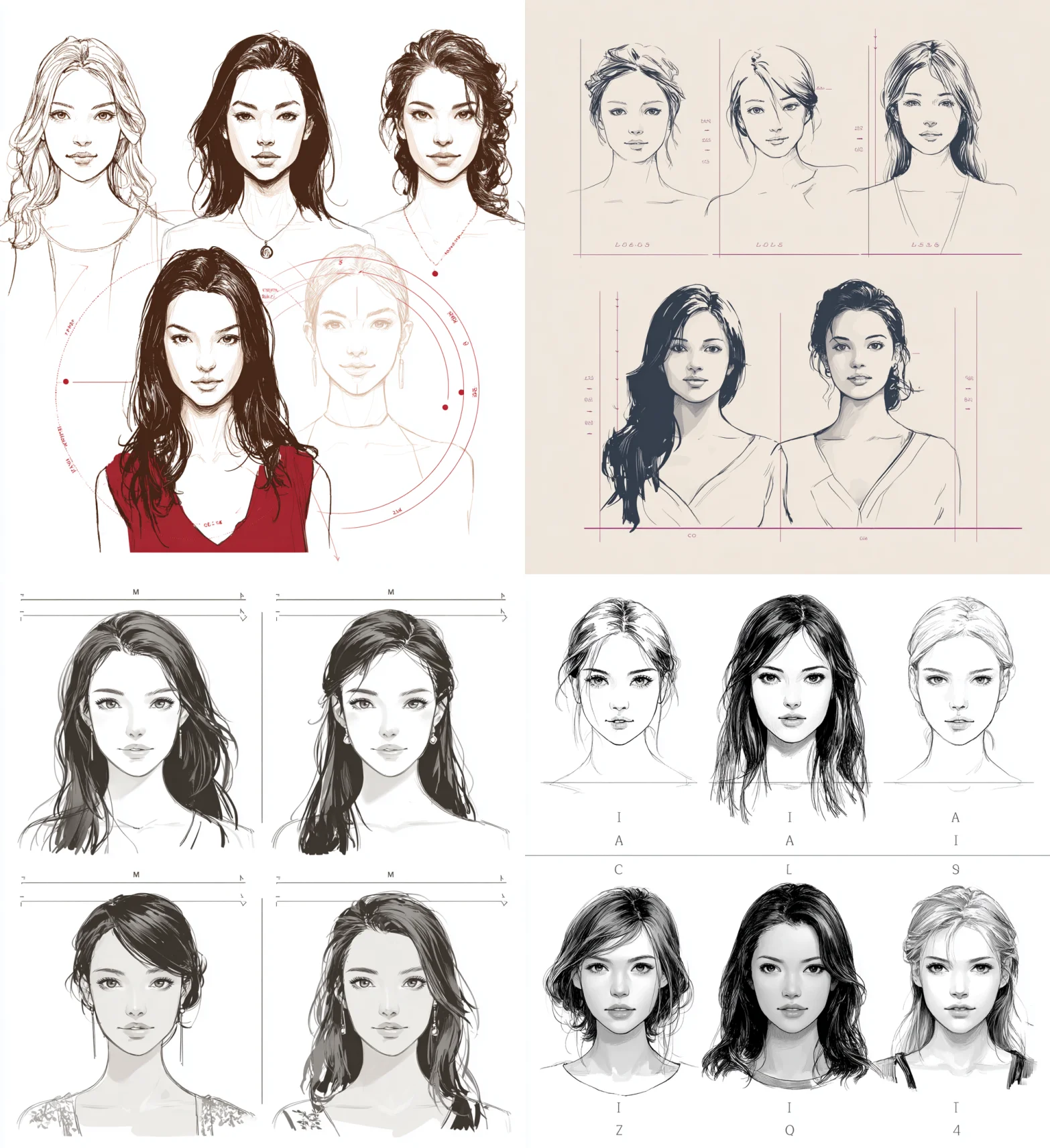
Moreover, the resolution extends beyond the individual to the cultural narrative. Each person who chooses medical aesthetics contributes to a broader dialogue about beauty, authenticity, and self-expression. They challenge the rigid stanzas of societal expectation, writing their own verses in a collective poem. As a writer, I see this as the ultimate triumph of the story—not the erasure of flaws, but the empowerment to define one』s own aesthetic, to claim authorship over one』s image.
Denouement: The Eternal Poem of Beauty
As we close this literary exploration, we linger in the denouement—a reflective space where the themes of medical aesthetics resonate beyond the individual journey. The human form, much like a poem, is never truly finished. Each procedure, each decision to alter or enhance, is a stanza in an ongoing work. The tools of medical aesthetics—lasers, injectables, surgical precision—are the metaphors and similes that enrich this text, adding depth and nuance to the body』s language.
In this light, medical aesthetics transcends the clinical to become profoundly literary. It is a genre of storytelling where science serves as syntax, and beauty as theme. It invites us to read the body not as a static text, but as a living manuscript, open to revision and reinterpretation. And so, as we step away from the mirror and back into the world, we carry with us a renewed appreciation for the poetry of transformation—a reminder that every line, every curve, every mark on the skin is a verse in the eternal poem of the human form.