Situation (S): The Universal Quest for Beauty
Beauty has been a timeless pursuit across cultures and centuries. From the intricate face paints of ancient Egypt to the sculpted ideals of Greek statues, humanity has always sought to define and embody aesthetic perfection. Today, in the era of Instagram filters and TikTok trends, the desire for beauty feels more accessible yet more elusive than ever. The medical aesthetics (med-aesthetic) industry, blending science with artistry, has emerged as a powerful tool in this quest, offering solutions that range from non-invasive treatments like Botox to transformative surgical procedures like rhinoplasty.
But beneath the surface of flawless selfies and viral before-and-after videos lies a deeper question: What does it truly mean to pursue beauty? Is it vanity, self-expression, or something more profound? As someone inspired by Austin Kleon』s philosophy of 「stealing like an artist」—finding inspiration in the world around us—I believe that beauty, much like art, is a craft. It』s not just about looking good; it』s about creating a version of yourself that resonates with your inner vision. In the med-aesthetic world, this craft is shaped by science, skill, and a deep understanding of human perception.
Complication (C): The Tension Between Authenticity and Transformation
The modern med-aesthetic industry is a double-edged sword. On one hand, it empowers individuals to take control of their appearance, addressing insecurities and enhancing features with precision tools like dermal fillers or laser treatments. A 2022 report by the American Society of Plastic Surgeons noted a 19% increase in minimally invasive procedures since 2019, reflecting a growing acceptance of aesthetic interventions. People are no longer hiding their Botox appointments or lip filler touch-ups; they』re celebrating them as acts of self-care.

On the other hand, this accessibility comes with complications. The pressure to conform to societal beauty standards—often amplified by social media—can blur the line between personal desire and external expectation. The 「Instagram face,」 characterized by high cheekbones, plump lips, and a chiseled jawline, has become a homogenized ideal that many chase, sometimes at the cost of their unique features. Moreover, the industry isn』t without risks. Botched procedures, unqualified practitioners, and unrealistic expectations can lead to physical and emotional harm. A study published in the Journal of Aesthetic Surgery found that up to 30% of patients experience dissatisfaction post-procedure, often due to misaligned goals or poor communication with providers.
This tension raises a critical issue: How do we balance the pursuit of beauty with authenticity? How do we ensure that aesthetic transformation serves as a tool for self-expression rather than a mask for insecurity?
Question (Q): How Can We Approach Aesthetic Transformation as a True Art Form?
If beauty is a craft, as I propose, then the med-aesthetic journey must be approached with the same intentionality and creativity as a painter approaching a canvas. The question becomes: How can we redefine aesthetic transformation as an art form—one that honors individuality, leverages scientific precision, and fosters emotional fulfillment? How do we move beyond cookie-cutter trends and quick fixes to create something truly meaningful?
This isn』t just a question for patients considering a procedure; it』s a challenge for practitioners, artists, and society at large. To answer it, we must explore the intersection of aesthetics and identity, the role of expertise in crafting beauty, and the importance of intention in every brushstroke—or injection.

Answer (A): Crafting Beauty Through Intention, Expertise, and Individuality
1. Intention: Defining Your Aesthetic Vision
Much like Austin Kleon encourages artists to 「steal」 inspiration from the world around them, individuals seeking aesthetic transformation must first define their 「why.」 Are you addressing a specific insecurity, such as acne scars that have long impacted your confidence? Are you enhancing a feature to align with a personal ideal, like fuller lips that reflect your bold personality? Or are you simply curious about the possibilities, exploring treatments as a form of self-discovery?
This intention acts as the foundation of your aesthetic journey. Without it, you risk chasing fleeting trends or external validation. A practical step is to journal or consult with a trusted practitioner about your goals. For example, before undergoing a procedure like a chemical peel or micro-needling, ask yourself: How will this change make me feel? Does it align with how I want to present myself to the world? Studies in behavioral psychology, such as those by Dr. Ellen Langer, suggest that mindfulness in decision-making leads to greater satisfaction with outcomes—a principle that applies directly to med-aesthetics.
2. Expertise: Partnering with Skilled Artists
In art, the quality of your tools and the mastery of your technique determine the final piece. In med-aesthetics, the 「artist」 is your practitioner—whether a dermatologist, plastic surgeon, or aesthetician. Their expertise transforms a procedure from a mere transaction into a collaborative creation. Consider the precision required for Botox injections: A skilled injector understands facial anatomy down to the millimeter, knowing exactly where to place the needle to soften crow』s feet without freezing expression. Similarly, a surgeon performing a facelift must balance technical skill with an eye for proportion, ensuring the result looks natural rather than 「done.」
Yet, not all practitioners are equal. The rise of med-spas and online deals has led to an influx of underqualified providers. The British Association of Aesthetic Plastic Surgeons reported a 40% increase in complications from non-surgical procedures between 2018 and 2022, often linked to inadequate training. To avoid becoming a cautionary tale, research is paramount. Look for board-certified professionals with a portfolio of work, read reviews, and ask for consultations to gauge their understanding of your vision. Treat this partnership as you would a collaboration with a fellow artist—trust and communication are key.
3. Individuality: Rejecting the One-Size-Fits-All Approach
One of Kleon』s core ideas is that true creativity comes from remixing existing ideas into something uniquely yours. In med-aesthetics, this means rejecting the homogenized ideals of beauty peddled by social media. Not everyone needs—or should want—the same sharp jawline or upturned nose. Your features tell a story of heritage, personality, and life experience. The goal of aesthetic transformation isn』t to erase that story but to enhance it.
Take, for instance, the trend of 「ethnic rhinoplasty,」 which focuses on refining the nose while preserving cultural characteristics. Surgeons like Dr. Rod Rohrich emphasize the importance of tailoring procedures to the patient』s facial harmony rather than imposing a Western ideal. Similarly, treatments like skin brightening or scar revision should consider the natural undertones and texture of your skin, not aim for an unattainable 「glass skin」 standard. When consulting with a practitioner, advocate for customization. Bring photos not of celebrities, but of yourself at moments when you felt most confident, and discuss how to amplify that essence.

4. Emotional Craftsmanship: Beauty as a Feeling, Not Just a Look
Finally, let』s steal another concept from Kleon: Art isn』t just about the end product; it』s about the process and the emotions it evokes. Aesthetic transformation is deeply personal, often tied to self-esteem and identity. A 2021 study in Plastic and Reconstructive Surgery found that patients who undergo cosmetic procedures with realistic expectations report a 70% increase in psychological well-being post-treatment. However, those driven by external pressures or unresolved emotional issues often feel unchanged, regardless of physical results.
This underscores the importance of emotional preparation. Before booking that filler appointment, reflect on whether the change will address an internal need or merely mask it. Consider complementary practices like therapy or mindfulness to build confidence from within. Practitioners can also play a role by offering holistic consultations that assess emotional readiness alongside physical suitability. Beauty, after all, isn』t just skin deep—it』s a feeling of alignment between your outer appearance and inner self.
Bringing It All Together: Your Aesthetic Masterpiece
The med-aesthetic industry, at its best, is a studio where science and art converge to create something extraordinary. But like any craft, it requires intention, skill, and a commitment to individuality. By approaching aesthetic transformation as an art form—defining your vision, partnering with experts, honoring your unique features, and prioritizing emotional fulfillment—you can move beyond superficial fixes to create a version of yourself that feels authentic and inspiring.
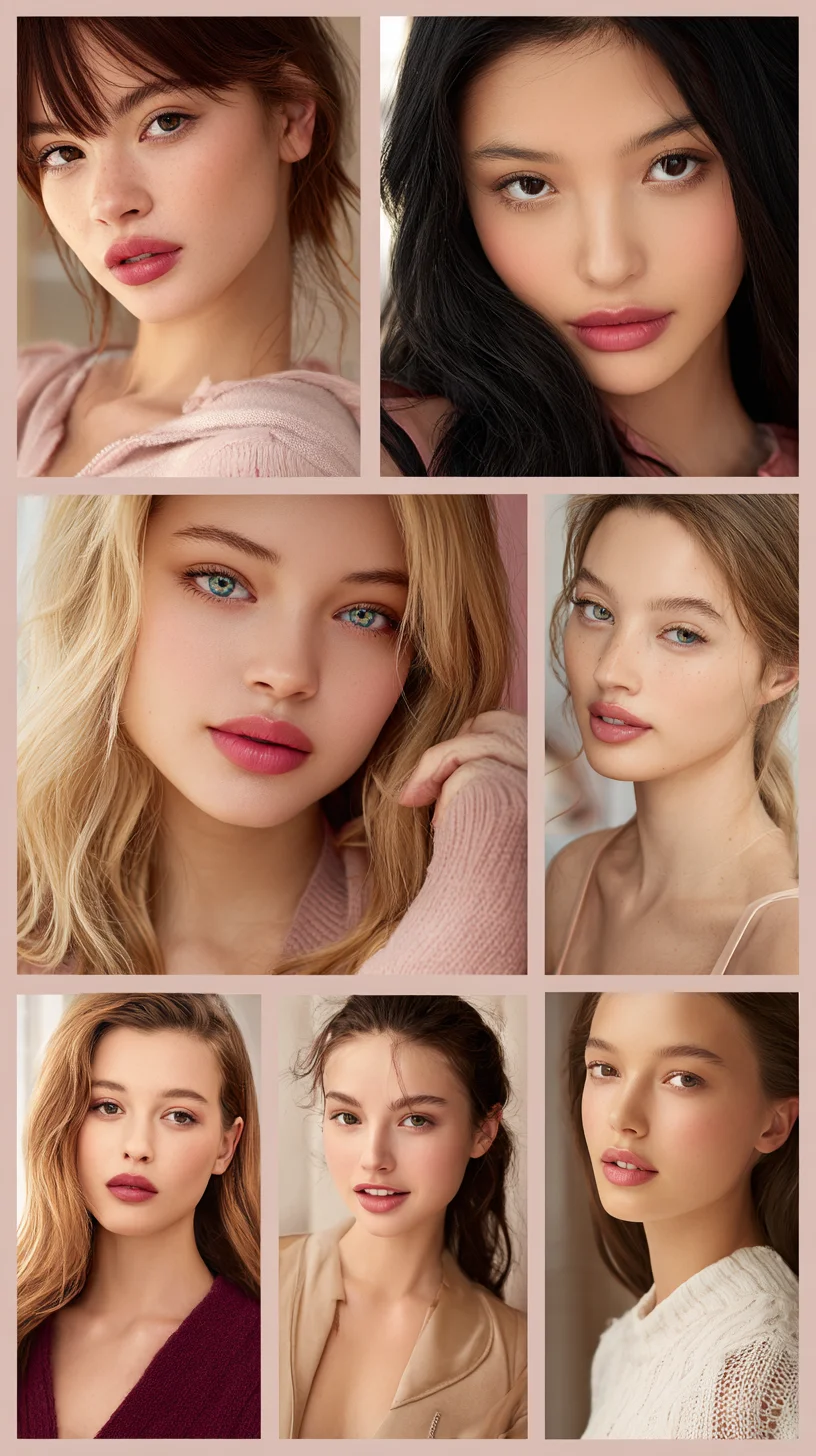
Think of every procedure, whether a subtle tweak or a major overhaul, as a brushstroke on the canvas of your life. You』re not just altering your appearance; you』re crafting a narrative. As Kleon might say, steal inspiration from the world around you—be it the symmetry of nature, the diversity of human faces, or the boldness of art—but make the final creation undeniably yours.
So, the next time you consider a med-aesthetic treatment, ask yourself: What story do I want to tell? How can I use this tool to express who I am, not who I』m expected to be? The answers to these questions are the first steps toward mastering the art of beauty—a craft that, when done right, transforms not just how you look, but how you see yourself.