Introduction
In the ever-evolving landscape of medical aesthetics, beauty is not merely a superficial pursuit but a complex system of signs and symbols that communicate deeper cultural values, personal identities, and societal hierarchies. As a field that bridges science and art, medspa culture offers a unique lens through which to explore how beauty is constructed, commodified, and consumed in contemporary society. Drawing on the principles of semiotics—the study of signs and their meanings—this article dissects the symbolic language of beauty in the medspa industry, uncovering the hidden messages behind procedures, trends, and ideals. Through this analysis, we aim to reveal how aesthetic practices function as cultural texts, encoding messages about power, status, and selfhood.
The Semiotics of Beauty: Signs, Symbols, and Signifiers
At its core, semiotics is concerned with how meaning is created and communicated through signs. In the context of medical aesthetics, every Botox injection, dermal filler, or laser treatment can be seen as a signifier—a tangible act or object that carries a deeper signified meaning. For instance, smooth, unlined skin is not just a physical trait; it signifies youth, vitality, and often, socioeconomic privilege. The act of undergoing a cosmetic procedure becomes a sign of agency, a declaration of control over one’s body and image, yet it simultaneously reflects conformity to culturally imposed standards.
The medspa, as a space, is itself a semiotic construct. Its sleek, minimalist design, clinical white walls, and hushed tones signal professionalism and exclusivity, differentiating it from the more accessible (and less prestigious) beauty salon. This environment communicates a promise of transformation, but only for those who can afford to participate in this curated world of beauty. The tools and technologies—syringes, lasers, and vials of hyaluronic acid—become symbols of modernity and scientific progress, reinforcing the notion that beauty is no longer a gift of nature but a product of human ingenuity and capital.
The Cultural Text of Aesthetic Ideals
To fully grasp the semiotic layers of medspa culture, we must examine the broader cultural texts that shape aesthetic ideals. Beauty standards are not universal; they are historically and geographically contingent, encoded with specific cultural meanings. In Western societies, the current obsession with full lips, high cheekbones, and a contoured jawline can be traced to a constellation of influences, from Hollywood iconography to social media algorithms. These features are not inherently beautiful; they have been constructed as such through repetitive visual representation and cultural reinforcement.
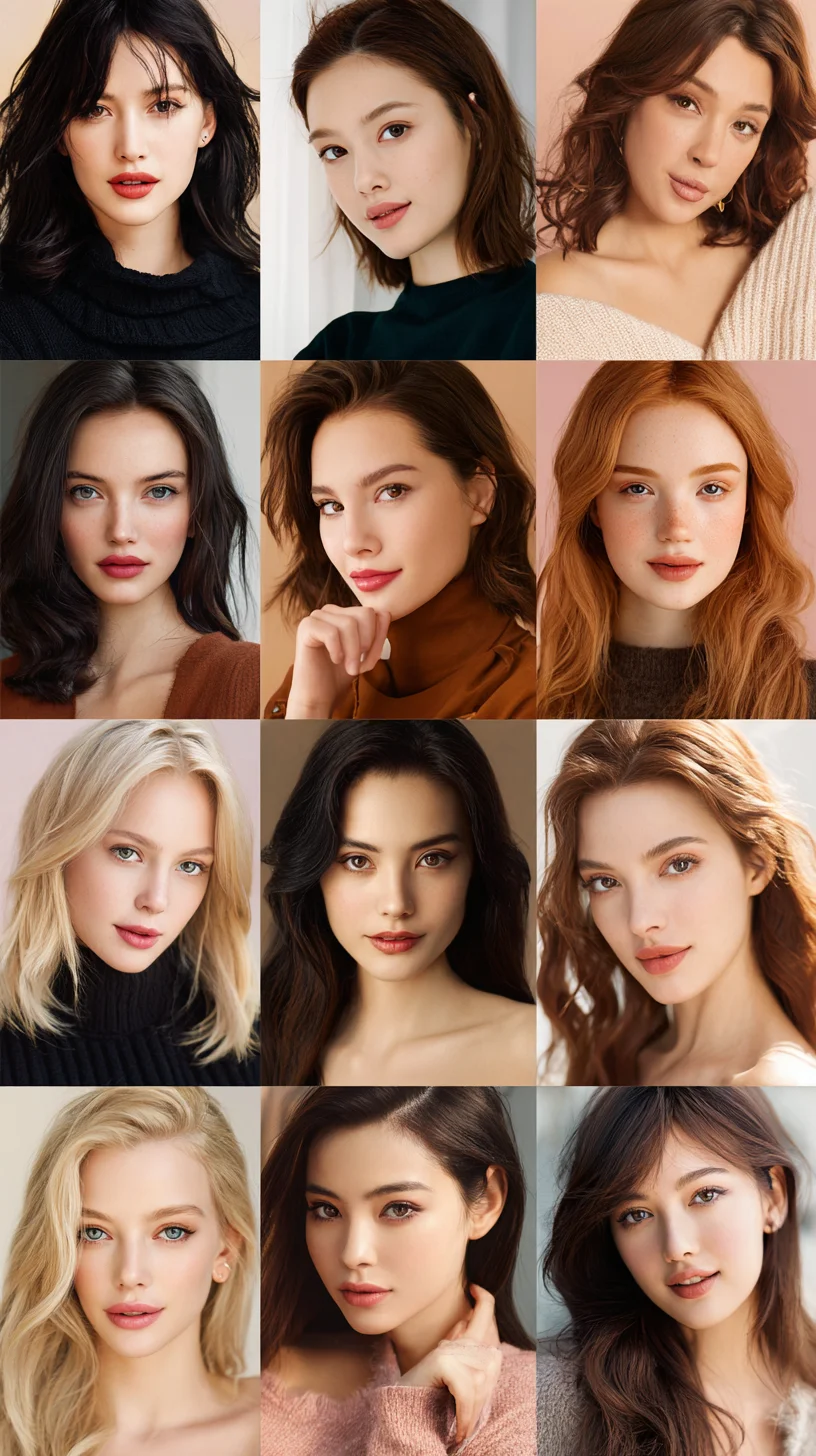
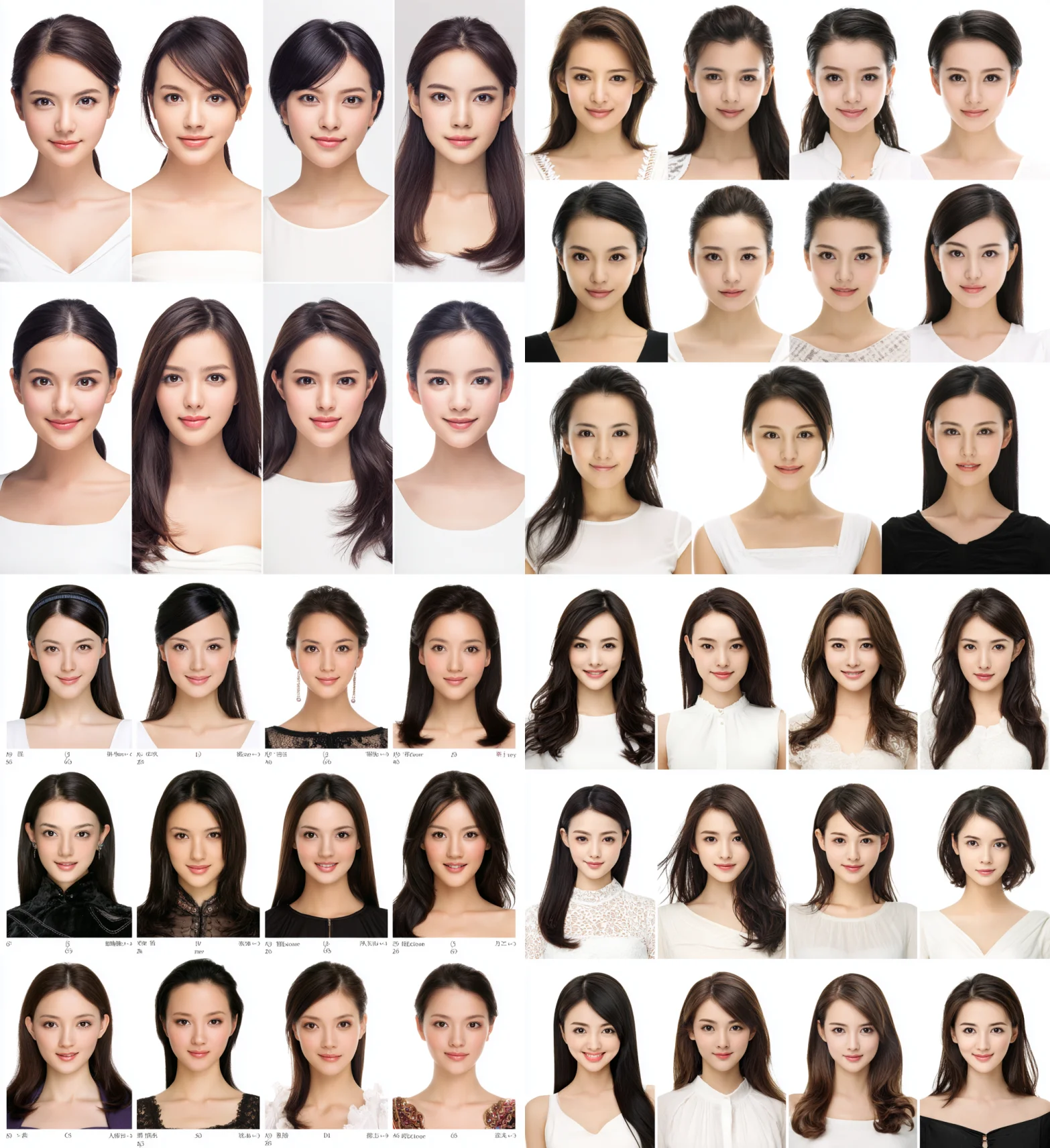
Consider the phenomenon of the “Instagram face,” a term coined to describe the homogenized look popularized by influencers and celebrities—think plump lips, cat-like eyes, and flawless skin. Semiotically, this face operates as a sign of digital-era beauty, a visual shorthand for relevance and desirability in an image-driven economy. Yet, it also signifies a loss of individuality, as countless individuals pursue the same template through fillers and filters. The medspa becomes the site where this digital ideal is materialized, translating pixels into flesh. Here, the act of enhancement is not just about personal satisfaction but about aligning oneself with a globally recognized symbol of status and belonging.
Moreover, these aesthetic ideals are deeply gendered and racialized. The preference for lighter skin in many cultures, often achieved through chemical peels or glutathione injections in medspas, signifies historical associations of whiteness with purity and privilege. Similarly, the emphasis on facial symmetry and proportion harkens back to classical Western ideals rooted in Eurocentric art and philosophy. When medspa clients seek these traits, they are not merely altering their appearance; they are participating in a semiotic system that privileges certain bodies over others, perpetuating hierarchies of worth based on race, gender, and class.

The Medspa Procedure as Ritual and Symbol
Beyond the physical outcomes, medspa procedures themselves carry symbolic weight, functioning as modern rituals of self-transformation. Much like ancient rites of passage, these treatments mark a transition from one state of being to another—often from perceived imperfection to idealized beauty. The process of consultation, injection, and recovery mirrors a ceremonial structure: initiation (consultation), liminality (the procedure), and reintegration (post-treatment glow). Each stage is imbued with meaning, from the vulnerability of exposing one’s flaws to a practitioner to the empowerment of emerging with a “better” version of oneself.
Take Botox, for example, one of the most ubiquitous treatments in medspa culture. On a surface level, it is a medical intervention to reduce wrinkles. Semiotically, however, it is a symbol of resistance against aging, a cultural taboo in a society that equates youth with value. The frozen forehead becomes a sign of defiance, a refusal to conform to the natural progression of time. Yet, paradoxically, it also signifies submission to societal pressure, as the individual internalizes the message that aging is undesirable and must be erased. This duality—empowerment versus conformity—is a recurring theme in the semiotics of aesthetic procedures, reflecting the complex interplay of personal agency and cultural expectation.
Furthermore, the pain and cost associated with these treatments add another layer of meaning. Pain, whether from a needle or laser, becomes a symbol of sacrifice, a necessary price for beauty. The financial investment, often substantial, signifies commitment and privilege, positioning the client within an elite group that can afford to “buy” beauty. In this way, medspa procedures are not just about physical enhancement but about constructing a social identity through conspicuous consumption.

The Role of Media and Technology in Shaping Signs of Beauty
In the digital age, the semiotics of beauty cannot be separated from the influence of media and technology. Social media platforms like Instagram and TikTok are not passive channels for aesthetic trends; they are active participants in creating and disseminating signs of beauty. Filters, for instance, are digital signifiers that preview the effects of medspa treatments, allowing users to experiment with fuller lips or smoother skin before committing to a procedure. These virtual enhancements blur the line between reality and simulation, normalizing the pursuit of an unattainable ideal.
Medspa marketing also plays a crucial role in encoding beauty with specific meanings. Advertisements often frame treatments as solutions to personal insecurities, using language that equates physical flaws with moral failings. Phrases like “turn back the clock” or “reclaim your confidence” suggest that beauty is not just an aesthetic goal but a moral imperative, a path to self-actualization. Semiotically, these messages transform the medspa from a luxury service into a necessity, embedding the idea that beauty is a prerequisite for happiness and success.
Additionally, the rise of influencer culture has democratized yet simultaneously commodified the signs of beauty. Influencers often document their medspa journeys, turning private transformations into public spectacles. Their enhanced features become symbols of aspiration, encouraging followers to replicate the look through similar treatments. This cycle of representation and consumption perpetuates a feedback loop, where the signified (beauty as status) and the signifier (a specific procedure) are continually reinforced through digital repetition.

Decoding Resistance: The Counter-Signs of Natural Beauty
While medspa culture often reinforces dominant beauty ideals, it also exists within a broader semiotic field that includes counter-signs of resistance. The “natural beauty” movement, for instance, challenges the artificiality of cosmetic enhancements, advocating for unfiltered, unretouched appearances. In this context, visible pores, wrinkles, and asymmetries become signifiers of authenticity and self-acceptance, directly opposing the polished perfection of the medspa aesthetic.
However, even this counter-movement is not free from semiotic complexity. The rejection of medspa treatments can itself become a status symbol, signaling confidence or intellectual superiority over those who “succumb” to societal pressure. Moreover, the natural beauty ideal is often co-opted by the same industries it critiques, with medspas offering “subtle” or “undetectable” enhancements that mimic a no-makeup look. This appropriation blurs the line between resistance and conformity, demonstrating how deeply entrenched the semiotics of beauty are within capitalist structures.
Conclusion: Reading the Signs of Beauty
The medspa industry is more than a collection of procedures and technologies; it is a rich semiotic system through which cultural values, personal identities, and societal norms are negotiated. From the clinical space of the medspa to the digital realm of social media, every element of aesthetic culture—from a syringe of filler to an Instagram filter—carries layers of meaning that shape how we perceive and pursue beauty. By decoding these signs, we gain insight into the deeper messages encoded in our obsession with appearance: messages about power, privilege, and the eternal tension between individuality and conformity.

As we continue to navigate this complex landscape, it becomes clear that beauty is not a static ideal but a dynamic text, constantly rewritten by cultural forces and personal choices. The medspa, as both a literal and symbolic space, invites us to question the signs we accept and the meanings we assign to them. In doing so, we may begin to redefine beauty not as a prescribed set of features but as a personal narrative, authored by each of us in our unique way.